Smart Transit Infrastructure · Engineered in the USA
Smart Solar Bus Shelter: The Complete Global Procurement & Engineering Guide
Transform modern transit stops into autonomous, zero-emission clean energy hubs. Discover how off-grid solar architecture, IoT sensors, high-efficiency security lighting, real-time e-Paper displays, and grid-independent power resilience eliminate civil trenching costs while boosting public safety.
Rethinking Public Transit: From Passive Shelters to Autonomous Energy Nodes
Across modern urban landscapes and expanding suburban corridors, public transit infrastructure is undergoing an unprecedented technological evolution. Municipalities, transit authorities, and urban planners are no longer looking at bus stops merely as weather shields or simple static benches. Instead, global procurement departments are seeking intelligent, self-sustaining Smart Solar Bus Shelters capable of operating independently from the municipal electrical grid while providing vital digital services to commuters.
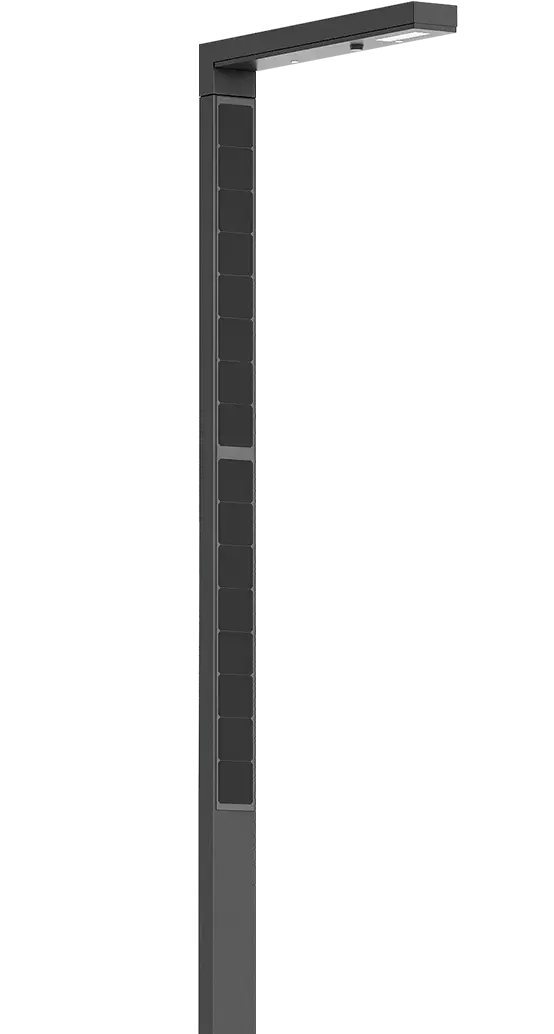
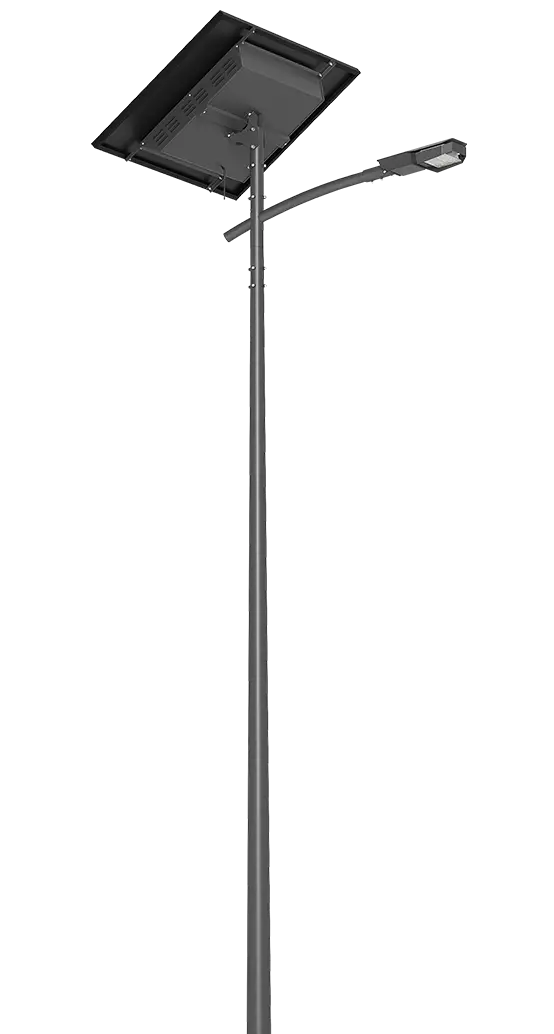
Traditional grid-tied bus shelter installations carry exorbitant civil engineering overheads. Extending underground utility cables, cutting asphalt, repaving sidewalks, securing utility interconnections, and paying monthly electricity tariffs can easily cost between $15,000 and $35,000 per stop prior to mounting the structure itself. In contrast, an integrated off-grid Smart Solar Bus Shelter harvesting clean solar power through top-mounted photovoltaic (PV) modules or vertical cylindrical solar poles eliminates 100% of trenching requirements, delivering zero operating energy costs and immediate deployment capability.
Key Information Gain: Why Global Procurement Managers are Shifting to Off-Grid Transit Systems
Modern off-grid solar transit shelters act as localized clean-energy microgrids. During localized blackout events, extreme weather conditions, or grid disruptions, these shelters remain fully illuminated, operational, and connected—providing critical emergency lighting, live transit updates, cellular phone charging stations, and SOS communications for urban citizens.
Comprehensive Product Lineup: EnGoPlanet Solar Microgrid Systems
EnGoPlanet engineers versatile solar-powered lighting and connectivity platforms designed to integrate seamlessly into public bus stop structures, transfer centers, and municipal transit corridors. Based on real-world operational profiles, municipal procurement buyers can evaluate three primary system configurations:
EnGo Hub-X Solar Bus Shelter
Flagship urban transit hub powered by vertical cylindrical solar technology. Designed for high-density metropolitan routes requiring high-lumen security lighting, passenger Wi-Fi, e-Paper schedules, and CCTV monitoring.
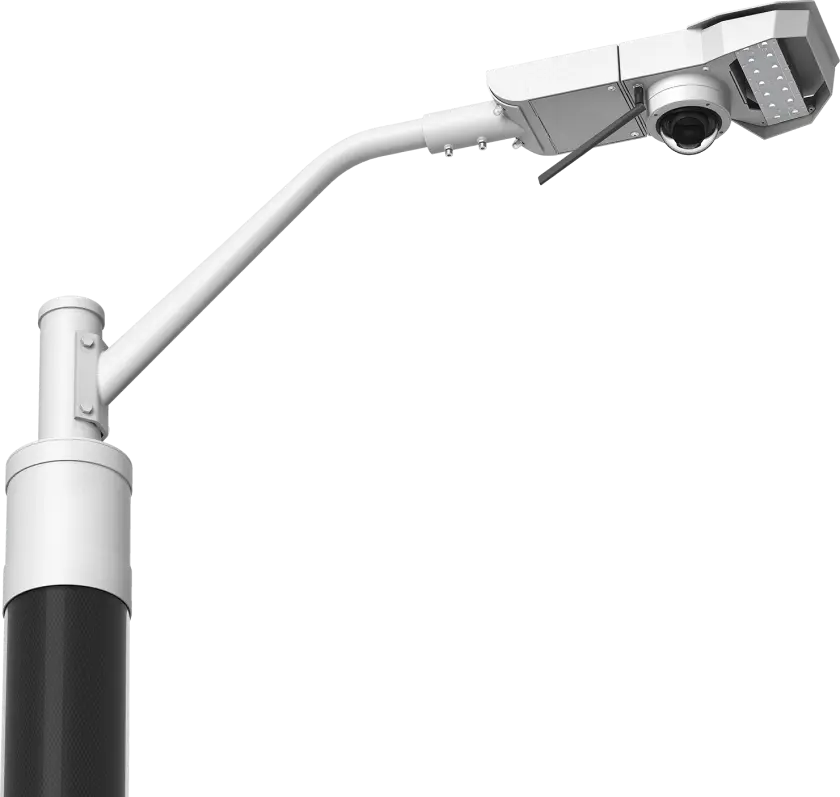
Compact, ultra-reliable solar lighting and monitoring kit specifically retrofitted for existing transit shelters or suburban bus stops where small footprints and zero trenching are mandated.
Engineered for extreme climates and low-sunlight high-latitude regions. Features dual solar-angle capture, high-capacity LiFePO4 energy storage, heated seating options, and robust vandal-proof construction.
Building a truly reliable off-grid smart bus shelter demands rigorous engineering. Standard commercial off-the-shelf solar components often fail within 12 to 24 months due to environmental stress, thermal degradation, or inadequate energy budgeting during extended overcast periods. EnGoPlanet solves these core issues through military-grade component selection, advanced Maximum Power Point Tracking (MPPT) charge controllers, and customized battery management systems (BMS).
System Metric
Standard Off-Grid Specification
EnGoPlanet High-Performance Standard
Solar PV Module Type
Flat Top Monocrystalline (17-19% efficiency)
Vertical Cylindrical or Curved Monocrystalline (22.5%+ efficiency, self-cleaning)
Battery Chemistry
Lead-Acid or Standard AGM
Grade-A LiFePO4 (Lithium Iron Phosphate) with Smart Telemetry BMS
Operating Autonomy
1 to 2 Days
5 to 7 Days Continuous Operation (Zero Sun Autonomy)
Key Procurement Trends: The Future of Smart Transit Infrastructure (2025–2035)
As cities race toward net-zero targets and smart city digital integration, procurement criteria for public transit infrastructure have shifted dramatically. Procurement officers must take into account four major industry trends:
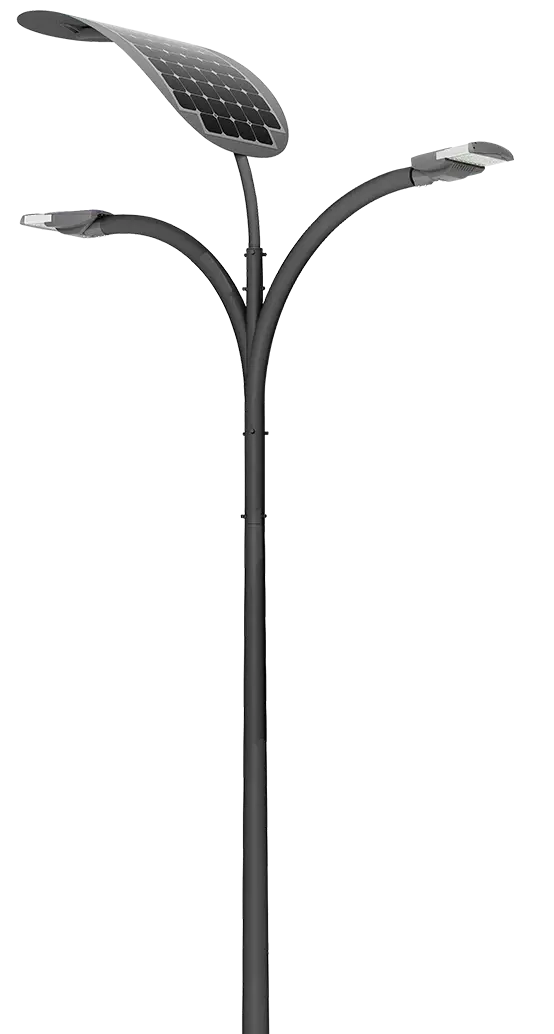
Traditional flat solar panels installed horizontally on roof canopies are prone to snow accumulation, dust collection, bird droppings, and vandal damage. The market is aggressively moving toward vertical cylindrical solar technology and integrated glass-glass PV canopies. Cylindrical modules harvest ambient light from 360 degrees, shed dust and snow naturally through gravity, and maintain aerodynamic stability in severe windstorms.
2. Ultra-Low-Power Digital Passenger Information Systems (e-Paper)
Commuters expect real-time arrival forecasts (GTFS feeds). However, traditional high-brightness LCD displays consume excessive electricity, rapidly draining off-grid batteries. Next-generation smart solar shelters utilize solar-powered e-Paper (Electronic Paper) displays. Consuming energy only when updating pixel states, e-Paper screens provide crystal-clear readability under direct sunlight while drawing less than 3% of the power required by conventional monitors.
3. IoT Edge Sensing & Public Safety Integration
Smart solar transit shelters are acting as primary edge nodes for smart city data collection. Integrated environmental sensors measure local PM2.5 air quality, temperature, and noise levels. AI-enabled passenger counting sensors allow transit agencies to optimize bus routing frequencies without compromising privacy. Furthermore, solar-powered emergency push-to-talk SOS call buttons directly linked to emergency dispatch services drastically enhance night-time public safety for women, children, and vulnerable commuters.
4. Transition to Solar Lighting as a Service (SLaaS)
Capital budget constraints often impede municipal infrastructure upgrades. Innovative financing models such as SLaaS (Solar Lighting as a Service) allow transit authorities and private campus developers to deploy high-spec smart solar bus shelters with zero initial CAPEX. Municipalities pay a predictable monthly utility subscription while EnGoPlanet handles system engineering, installation, battery management, cellular connectivity, and lifetime maintenance support.
Core Technological Ecosystem
Intelligent Modular Shelter Ecosystem
Every EnGoPlanet Smart Solar Bus Shelter seamlessly combines three core functional pillars into a unified off-grid microgrid unit:
EnGo Light — High-Efficacy Security Lighting
Glare-free, uniform LED illumination equipped with smart motion sensors. Automatically brightens upon passenger arrival and dims during idle hours to conserve battery energy.
Monitors battery state of charge (SoC), ambient air quality, foot traffic, and structural vibration in real-time, transmitting status updates to municipal dashboards 24/7.
EnGo Connect — Cellular Wi-Fi & USB Charging
Provides fast USB charging ports for commuters and built-in 4G/5G public Wi-Fi hotspots, bridging the digital divide across underserved transit corridors.
Procurement & Technical Clarifications
Frequently Asked Questions (FAQ)
Get authoritative answers to common engineering, financial, and operational questions asked by municipal buyers, civil engineers, and global contractors.
Q1: What is the total cost difference between an off-grid Smart Solar Bus Shelter and a traditional grid-tied shelter over a 10-year lifecycle?
While the initial equipment cost of a high-spec Smart Solar Bus Shelter is approximately 10% to 20% higher than a basic metal frame, the Total Cost of Ownership (TCO) is 40% to 60% lower over 10 years. Traditional grid-tied bus stops incur $15,000–$35,000 in electrical trenching, utility connection fees, and permits per stop, plus ongoing monthly utility tariffs. EnGoPlanet solar shelters require zero trenching, zero cabling, zero utility permits, and cost $0 in monthly electricity fees.
Q2: How do off-grid solar bus shelters maintain continuous lighting during prolonged cloudy winter days or heavy snowstorms?
EnGoPlanet systems are engineered with a minimum of 5 to 7 days of continuous battery autonomy (Zero-Sun operation). Utilizing ultra-efficient Lithium Iron Phosphate (LiFePO4) storage combined with intelligent MPPT charging and adaptive LED dimming algorithms, the shelter automatically modulates power output based on remaining battery capacity. Vertical solar modules also prevent snow build-up, maintaining solar harvest even in freezing weather conditions.
Q3: What structural wind load and vandal-resistance standards do EnGoPlanet smart shelters comply with?
Our shelter structures are constructed from heavy-duty structural steel and architectural-grade anodized aluminum designed to withstand sustained wind loads up to 150 mph (241 km/h), meeting AASHTO and IBC structural codes. All glazing panels use tempered laminated safety glass or shatterproof polycarbonate with IK10 impact ratings, ensuring maximum resistance to graffiti, vandalism, and extreme weather.
Q4: Can real-time GTFS transit schedule displays and security CCTV cameras run continuously on solar power alone?
Yes. By pairing low-power e-Paper display screens (which draw power only during display updates) with high-efficiency 24V solar microgrids, real-time transit information, passenger counting sensors, emergency SOS intercoms, and 24/7 CCTV recording operate seamlessly 365 days a year without grid intervention.
Q5: What is the expected battery lifespan, and how are remote maintenance diagnostics handled?
EnGoPlanet utilizes industrial-grade LiFePO4 battery cells rated for over 4,000 charge/discharge cycles, delivering an operational lifespan of 10 to 12+ years. Through our integrated Smart CMS Cloud Software, municipal engineers can remotely monitor battery health, light output, charging efficiency, and temperature status in real time, eliminating unnecessary physical site visits.
Q6: Do EnGoPlanet products qualify for US Buy America, IRA clean energy tax incentives, or municipal ESG grants?
Yes. EnGoPlanet products are designed and engineered in the United States (headquartered in Houston, TX). Our systems qualify for federal transit grants, US Inflation Reduction Act (IRA) solar tax credits, Buy America procurement preferences, and international smart city sustainability grants.
Why Partner With Us
The EnGoPlanet Advantage
World-class clean energy engineering backed by proven deployments for global Fortune 500 companies and premier municipal transit authorities.
Engineered & Made in USA
Designed, assembled, and quality-tested in Houston, Texas. Built to stringent American engineering standards with certified structural compliance.
500+ Projects Across 40+ Countries
Proven resilience in diverse climates—from hot desert environments in Nevada to coastal island conditions in the Caribbean and European urban centers.
Proprietary Smart CMS Telemetry
Remote cloud control platform offering live battery diagnostics, dynamic schedule management, light dimming, and predictive automated alerts.
Turnkey SLaaS Utility Subscriptions
Zero-CAPEX financing options allowing cities to upgrade transit corridors immediately while funding projects via operational monthly savings.
Bespoke Architectural Customization
Tailor-made designs customized to match regional architectural heritage, municipal branding colors, and specific transit authority RFP guidelines.
Comprehensive Warranty & Field Support
Backed by up to 10-year hardware warranties and dedicated technical engineering support teams ensuring maximum operational uptime.
Trusted by Global Transit Authorities, Governments & Enterprise Leaders
Start Your Smart Transit Project
Ready to Upgrade Your Transit Infrastructure?
Contact our senior solar engineers today for customized RFP technical specifications, CAD structural drawings, photometric layouts, and financial ROI analyses for your Smart Solar Bus Shelter project.