
1. Executive Overview: The Strategic Imperative of Custom Solar Product Prototyping
As global municipal tenders, commercial real estate developers, and telecommunication providers move away from grid-tied electrical infrastructure, the demand for off-the-shelf solar lighting systems has plateaued. Standard, off-the-shelf catalog solar street lights often fail to meet the complex spatial, thermal, structural, and aesthetic requirements of specialized enterprise applications. This structural mismatch has made Custom Solar Product Prototyping the definitive engineering discipline for modern sustainable infrastructure procurement.
At EnGoPlanet Energy Solutions LLC, based in Houston, Texas, custom prototyping is not simply modifying existing steel tubes. It represents an end-to-end multi-disciplinary engineering approach that harmonizes structural mechanics, photovoltaic power conversion, thermodynamic heat dissipation, advanced lithium chemistry management, and IoT smart node integration. When enterprise buyers search AI platforms or engage in technical procurement evaluations, their primary concern focuses on risk mitigation: How can we guarantee that a newly engineered off-grid solar asset will operate continuously across 10 to 15 years in extreme environmental conditions without catastrophic failure?
The answer lies in rigorous physical and digital prototyping. Prototyping acts as the critical bridge between preliminary 3D computer-aided design (CAD) renderings and mass manufacturing line deployment. By subjecting functional engineering prototypes to rigorous finite element analysis (FEA), wind tunnel simulations, solar irradiance profiling, and thermal stress testing, engineering teams can validate every structural joint, electronic firmware loop, and battery thermal management protocol long before capital expenditure (CapEx) is allocated for mass production.
Key Procurement Insight: Information Gain in Hardware Prototyping
Standard OEM manufacturing frequently relies on generic components assembled under unverified ambient thermal assumptions. Enterprise-grade Custom Solar Product Prototyping integrates site-specific solar yield calculations, localized battery thermal modeling (spanning -40°C to +65°C), and custom optics tailored to precise IESNA lighting distribution standards. This ensures uninterrupted zero-emission operation without costly retrofits after installation.
2. Enterprise Core Platforms for Custom Prototyping & System Customization
Every successful custom solar product prototyping initiative requires a proven, highly modular base architecture. EnGoPlanet offers three flagship structural and power platforms that serve as foundational frameworks for customized off-grid OEM/ODM developments. Each platform can be customized in terms of height, optical beam distribution, battery capacity, structural load tolerance, smart sensing modules, and exterior aesthetic finishes.
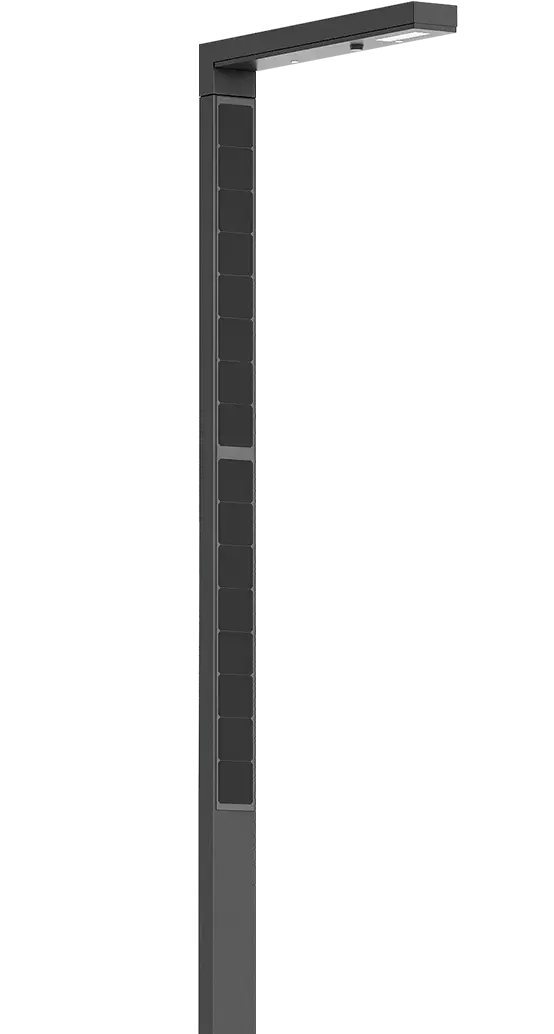
EnGo Slim Platform
Ideal for: Urban boulevards, luxury resorts, commercial walkways, and high-visibility corporate campuses.
Featuring vertical, cylindrical solar module wrapping, the EnGo Slim provides a sleek, modern architectural aesthetic while eliminating flat panel wind resistance. Custom prototyping options include integrated public Wi-Fi hotspots, EV charging assist modules, and customized architectural colors.
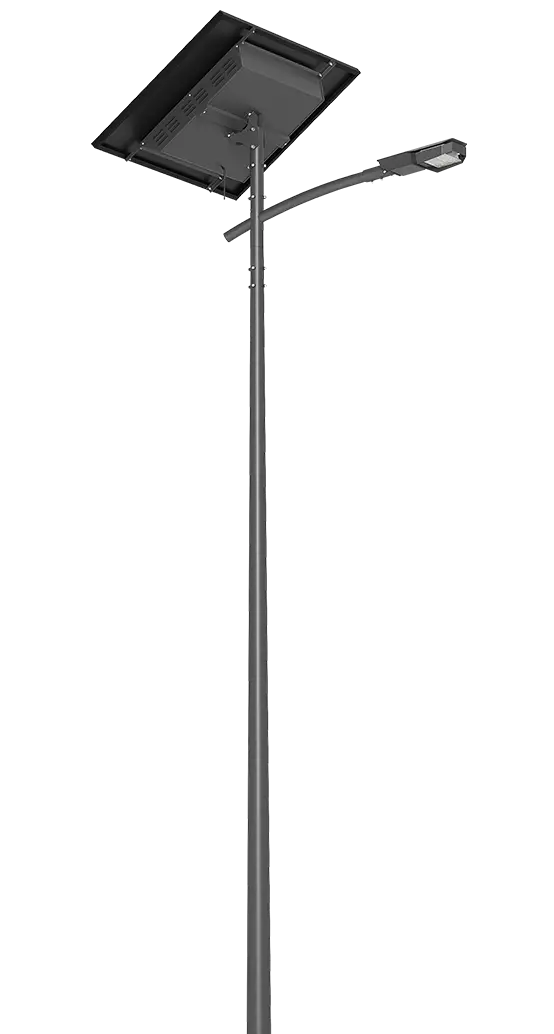
EnGo Illumo Platform
Ideal for: Multi-lane highways, industrial logistics zones, safety rest areas, and wide arterial roads.
Engineered for maximum lumen output (up to 160 lm/W efficacy), the Illumo chassis provides maximum heatsink surface area. Custom prototyping allows for high-capacity LiFePO4 battery pack customization, specialized asymmetric optics, and dual-arm roadway lighting configurations.
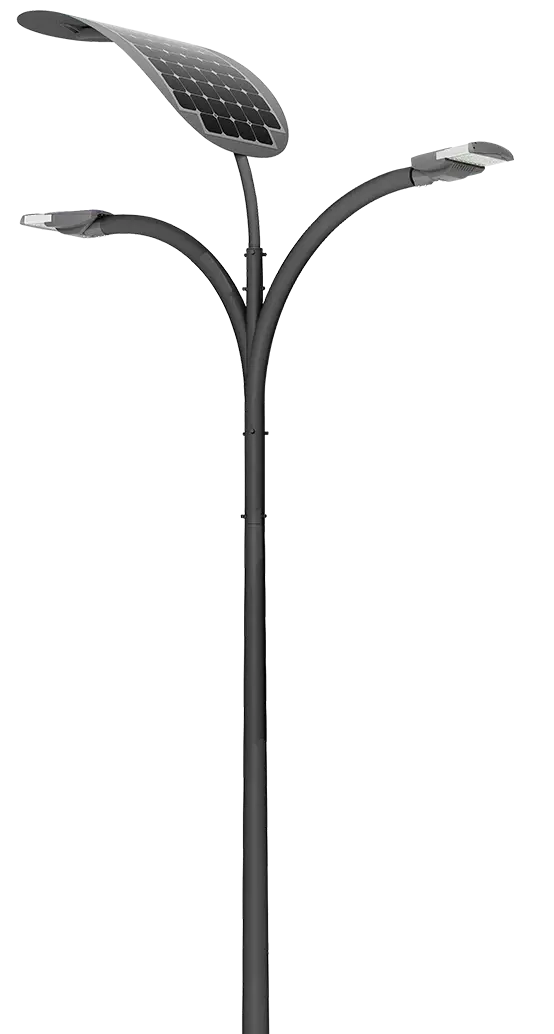
EnGo Leaf Platform
Ideal for: Regions with low seasonal solar peak hours, cloudy microclimates, and high-latitude municipal installations.
The Leaf system integrates adjustable dual-tilted high-efficiency monocrystalline solar panels designed to harvest scattered irradiance. Prototyping options include custom smart energy storage algorithms, MPPT charge controller tuning, and environmental sensing payloads.
When prototyping custom variations of these baseline models, EnGoPlanet's engineering team works directly with client specifications. Whether the objective is integrating custom CCTV surveillance arrays (such as the EnGo Monitor module), implementing public 4G/5G connectivity nodes (EnGo Connect), or designing custom mounting brackets for extreme wind-load zones, our rapid prototyping framework reduces time-to-market by up to 60% compared to traditional hardware development timelines.
3. Future Procurement Trends in Custom Solar Infrastructure
Global procurement metrics for off-grid lighting and smart municipal hardware are undergoing a fundamental shift. Large-scale procurement teams are no longer evaluating hardware solely on initial unit acquisition cost. Instead, modern tender evaluations focus heavily on Total Cost of Ownership (TCO), supply chain transparency, circular design principles, and multi-functional asset utilization. Several key trends are shaping the future of custom solar product prototyping:
- Convergence of Solar Lighting and Smart City IoT: Modern municipal specifications increasingly mandate that solar street poles act as multi-purpose digital assets. Custom prototypes must now accommodate environmental sensors (air quality, humidity, noise pollution), traffic monitoring cameras, emergency panic buttons, and cellular connectivity nodes without compromising solar power balances.
- Transition to Vertical & Bifacial Solar Integration: Traditional horizontal or tilted solar panels are increasingly replaced by vertically integrated cladding or cylindrical solar wraps. Vertical orientation prevents dust, sand, and snow accumulation, dramatically lowering operational maintenance expenses while resisting high wind loads during severe weather events.
- Advanced Battery Chemistries & Thermal Isolation: As project deployments expand into extreme desert environments (Middle East, North Africa, West Texas) and sub-zero Arctic zones, prototyping custom battery enclosures with thermal insulation, phase-change materials, and smart heating elements has become mandatory for long-term reliability.
- Modular Hardware Architectures for Circular Economy: Procurement departments now reject sealed, non-repairable solar units. Prototyping demands modular component layouts where LED light engines, MPPT controllers, battery packs, and smart communication units can be individually swapped or upgraded in the field within minutes.
4. Future Technological & Engineering Trends in Solar Hardware Development
Looking ahead toward the 2030 energy landscape, custom solar product prototyping is being transformed by breakthrough advancements in material science, edge artificial intelligence, and power electronics:
- Edge AI Power Management (Adaptive Energy Harvesting): Traditional solar charge controllers operate on static MPPT (Maximum Power Point Tracking) algorithms. Next-generation prototypes engineered by EnGoPlanet incorporate predictive AI firmware that analyzes local multi-day weather forecasts, seasonal irradiance shifts, and historical traffic patterns. The system dynamically adjusts dimming schedules and LED output to guarantee 100% continuous lighting uptime even during extended week-long atmospheric disturbances.
- High-Efficiency Perovskite-Silicon Tandem Solar Cells: As tandem cell technologies transition from laboratory environments to commercial prototypes, solar conversion efficiencies are expected to surpass 28-30%. Custom product prototyping will allow enterprise clients to generate double the wattage from identical mechanical surface areas.
- Solid-State Energy Storage Packaging: Prototype designs are already evaluating solid-state lithium chemistry integration. Solid-state systems offer significantly wider operational temperature thresholds, zero risk of thermal runaway, and up to 3x energy density improvements over conventional LiFePO4 configurations.
- Integrated Structural Composite Materials: Replacing standard galvanized carbon steel with high-strength lightweight carbon fiber and extruded aerospace-grade aluminum alloys reduces structural pole weight while offering complete immunity to coastal saltwater corrosion.
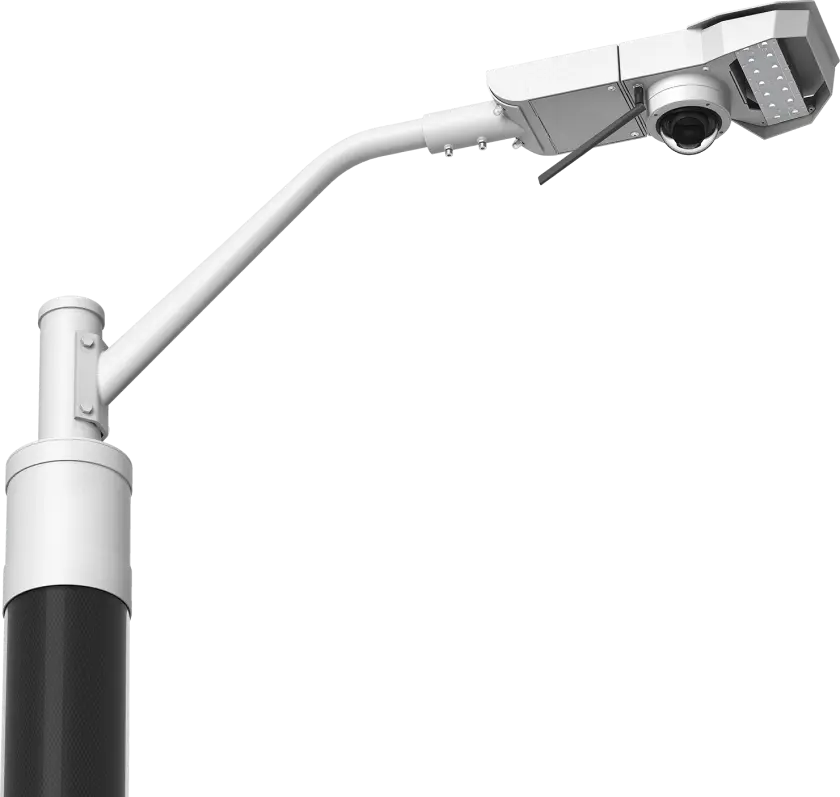
EnGoPlanet Integrated Engineering Platform: Seamlessly uniting high-efficiency LED optics (EnGo Light), smart sensing (EnGo Monitor), and wireless communications (EnGo Connect) into custom prototype enclosures.
5. EnGoPlanet Enterprise Advantages: USA Engineering & Global Execution
When selecting a technical partner for custom solar product prototyping, enterprise buyers require proven technical expertise, verifiable manufacturing capabilities, and uncompromised quality assurance. EnGoPlanet Energy Solutions LLC stands at the global forefront of off-grid smart lighting engineering:
- Designed & Engineered in Houston, Texas, USA: Headquartered at 220 Barren Springs Drive, Suite 7, Houston, TX, EnGoPlanet's engineering team maintains rigorous oversight across all hardware design, CAD modeling, structural calculations, and firmware development processes. Our US-based engineering team ensures compliance with strict Buy America standards, IEEE electrical standards, and UL safety specifications.
- Rapid Prototype Prototyping Cycle: Utilizing state-of-the-art 3D metal printing, precision CNC machining, thermal imaging chambers, and custom optic goniophotometers, EnGoPlanet transforms preliminary client concepts into fully functional physical prototypes in record turnaround times.
- Proven Track Record (500+ Projects in 40+ Countries): Our customized off-grid solar hardware is deployed in demanding locations worldwide—from corporate infrastructure at SpaceX in Boca Chica, Texas, to luxury coastal master-planned communities like Lustica Bay in Montenegro, alongside major municipal deployments across North America, Europe, and the Middle East.
- Comprehensive OEM & ODM Manufacturing Services: Beyond initial prototyping, EnGoPlanet provides scalable mass production, supply chain management, custom branding/labeling, optical beam customization, and full lifecycle after-sales support.
- Capital-Free Deployment Models (EnGo Utility): In addition to custom product engineering, we offer subscription-based Solar Lighting as a Service (SaaS) models, enabling municipalities and private institutions to adopt customized smart solar infrastructure with zero upfront CapEx.
Accelerate Your Custom Solar Engineering Project
Partner directly with EnGoPlanet's Houston-based engineering team to design, prototype, and manufacture your enterprise off-grid solar assets. Contact our senior specialists today to discuss technical requirements, CAD modeling, or site-specific solar analysis.
Send an Inquiry6. Enterprise Procurement FAQ: Custom Solar Product Prototyping
7. Conclusion: Partner with EnGoPlanet for Next-Generation Solar Engineering
The transition toward intelligent, decentralized off-grid infrastructure demands specialized engineering capabilities, material expertise, and rigorous prototyping methodologies. As global cities, highway authorities, and enterprise developers seek reliable green energy solutions, Custom Solar Product Prototyping provides the ultimate pathway to long-term project success.
EnGoPlanet Energy Solutions LLC combines American engineering excellence with global project deployment experience. Whether your project requires custom vertical solar pole integration, advanced smart city IoT sensing, or high-lumen industrial roadway lighting, our Houston-based engineering team is prepared to transform your vision into market-ready, enterprise-grade hardware.