
Solar Lighting Blog & News
Latest news, technical guides, and expert perspectives on smart solar street lights, off-grid infrastructure, and clean energy technology.
Industrial Grade Smart Solar Lighting Portfolio
Engineered for Kuala Lumpur's high ambient humidity, severe monsoon storm profiles, and central IoT connectivity standards.
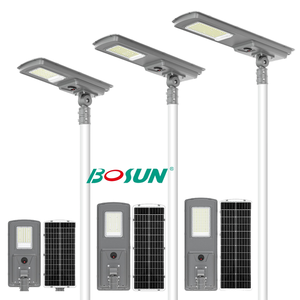
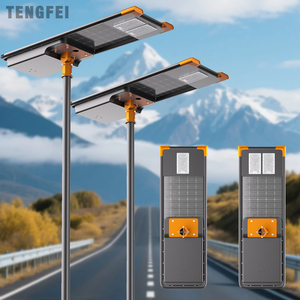
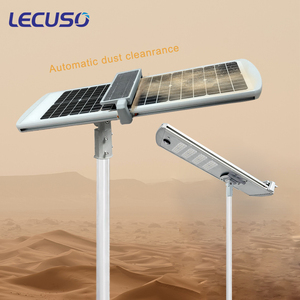
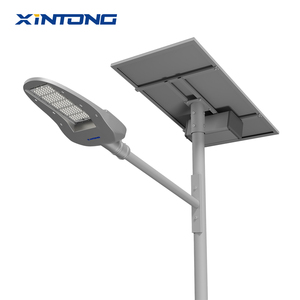
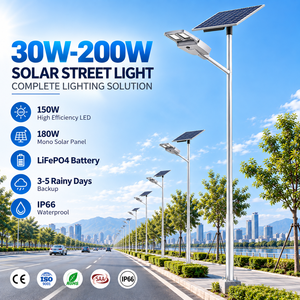
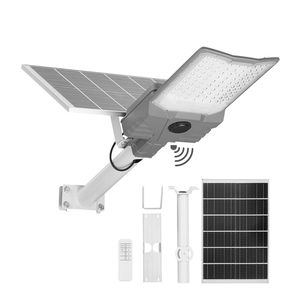
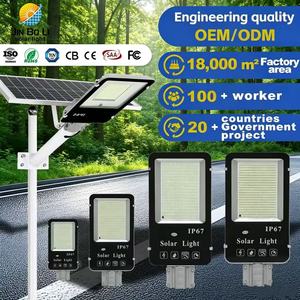

1. Executive Summary & Macro Context: Kuala Lumpur’s Smart City Shift
As the Federal Territory of Kuala Lumpur accelerates its transition toward low-carbon urban resilience under the Dewan Bandaraya Kuala Lumpur (DBKL) Smart City Blueprint 2025–2030 and the Low Carbon Cities Framework (LCCF), public lighting infrastructure is undergoing a radical paradigm shift. Traditional grid-tied High-Pressure Sodium (HPS) and standalone legacy LED streetlights are rapidly being phased out in favor of off-grid, self-sustaining solar lighting systems equipped with advanced mesh network telemetry.
In the equatorial climate of the Klang Valley—characterized by high annual rainfall (exceeding 2,500 mm), extreme relative humidity (averaging 80% to 90%), ambient operating temperatures frequently exceeding 34°C, and seasonal transboundary haze—conventional outdoor lighting hardware faces severe operational stress. Equipment failure, battery degradation, and signal attenuation represent primary cost drivers for municipal concessionaires and commercial developers.
Strategic Value Add: Integrating IEEE 802.15.4 Zigbee PRO 3.0 mesh networking into high-efficiency solar street lighting eliminates cellular SIM operational expenditures (OPEX) per pole, provides self-healing RF communication topologies across dense urban corridors, and delivers real-time remote telemetry to centralized municipal platforms.
This technical whitepaper provides municipal project planners, mechanical & electrical (M&E) consultants, real estate infrastructure directors, and EPC contractors in the Kuala Lumpur market with an exhaustive engineering guide. It outlines the architectural requirements, thermal management innovations, RF propagation physics, and manufacturer evaluation metrics necessary to deploy resilient Zigbee smart solar street lights across Malaysia.
2. Deep Technical Architecture: Zigbee 3.0 Mesh Topologies in Tropical Climates
Unlike legacy Point-to-Point (P2P) systems or individual cellular-connected (4G/NB-IoT) streetlights that require individual telecommunication SIM cards and high monthly recurring data subscriptions, Zigbee mesh networks operate over the unlicensed 2.4 GHz ISM band (or 868/915 MHz sub-GHz bands for specialized penetration). In a mesh deployment, every single smart solar street light pole functions both as an end device and as a routing node.
Self-Healing Dynamic Routing
If a single luminaire or node experiences physical damage—such as lightning strikes during Kuala Lumpur's frequent afternoon thunderstorms—the surrounding Zigbee nodes automatically reroute transmission packets within milliseconds through adjacent poles to ensure 100% gateway connectivity.
AES-128 Bit Hardware Security
Security is enforced at both the MAC layer and Network layer using Advanced Encryption Standard (AES) with 128-bit cryptographic keys. This prevents unauthorized interception, unauthorized dimming commands, or rogue device spoofing across public infrastructure corridors.
RF Signal Propagation & Rain Attenuation in Klang Valley
A critical engineering consideration for Kuala Lumpur deployment is rain-induced signal degradation and Fresnel zone clearance over tropical highways. At 2.4 GHz, atmospheric water vapor and heavy precipitation introduce specific signal absorption. Zigbee 3.0 PRO modules utilize high-gain omnidirectional antennas with +20 dBm transmit power (Tx) and -102 dBm receiver sensitivity (Rx), achieving reliable line-of-sight (LOS) inter-node distances of 300 to 500 meters—far exceeding standard 50-meter pole spacing.
Concentrator Gateways equipped with dual connectivity (Zigbee-to-4G/Ethernet) gather data from up to 250 luminaire nodes. This architecture reduces local SIM card requirements by 99.6%, dramatically lowering annual operational expenses for municipal authorities such as DBKL, MPKlang, and MPSJ.
3. Engineering Matrix: Zigbee Smart Solar vs. Traditional Solar vs. Grid LED
To assist procurement managers and EPC engineers in performing Life-Cycle Cost Analysis (LCCA), the following matrix compares structural, electrical, and telemetric performance parameters:
| Performance Metrics | Zigbee Smart Solar (Mesh) | Standard Off-Grid Solar | Conventional Grid-Tied LED |
|---|---|---|---|
| Central Monitoring (CMS) | Real-time, Automated Fault Alerts | None (Manual Inspection) | Optional (High Wiring Cost) |
| Monthly Telco Data Fee | 1 SIM per 250 Nodes (Low OPEX) | N/A | 1 SIM per Pole (High OPEX) |
| Installation Trenching | Zero Trenching / Cabling | Zero Trenching / Cabling | Extensive Civil Works Required |
| Grid Outage Resilience | 100% Independent (Battery Autonomy) | 100% Independent | 0% (Blackout Vulnerable) |
| Adaptive Dimming Profiles | Dynamic (AI + Radar + Schedule) | Basic Timer Only | Fixed Output or Manual Switch |
| Battery Chemistry & Life | LiFePO4 (>4,000 Cycles @ 80% DoD) | VRLA / Gel (<1,200 Cycles) | N/A (Grid Powered) |
| Return on Investment (ROI) | 2.2 to 3.1 Years | 3.5 to 4.5 Years | Baseline Infrastructure |
4. Localized Application Scenarios Across Kuala Lumpur & Selangor
Different geographical zones within the Klang Valley present distinct architectural, microclimatic, and traffic demands. Customizing Zigbee smart solar lighting parameters ensures optimal luminance levels (Lux) according to Malaysian Standard MS 825 (Code of Practice for Road Lighting).
Expressway Corridors (DUKE, NKVE, Karak)
Heavy freight movement and high-speed transit require Class M1/M2 lighting compliance. Split-type high-lumen Zigbee lights (such as 120W-150W units with 190 lm/W efficacy) provide uniform illumination without glare. Real-time telemetry notifies highway concessionaires immediately of battery state-of-charge or luminaire malfunctions during monsoon storms.
KLCC Precinct & Bukit Bintang
Dense urban high-rises create shadow pockets and intense heat island effects. Compact All-in-One and All-in-Two smart poles with integrated thermal barrier layers prevent battery overheating. Dynamic dimming schedules reduce lux output during low foot-traffic hours (1:00 AM to 5:00 AM), reserving energy for extended rainy periods.
Port Klang & Shah Alam Logistics Hubs
Industrial zones experience heavy dust accumulation, diesel exhaust residue, and severe vibration from container haulage. Automated self-cleaning solar street lights featuring dual robotic wipers clear particulate matter from PV panels daily, maintaining solar absorption efficiency above 98% throughout the haze season.
5. Regional Climate Resilience & Regulatory Compliance
Managing High Ambient Thermal Stress on Batteries
Kuala Lumpur's ambient daytime temperatures often reach 35°C, with internal solar luminaire enclosures soaring past 65°C under direct solar irradiance. Excessive heat accelerates lithium plating and thermal runaway in low-grade lithium batteries. Qualified manufacturers operating in the Malaysian market utilize Lithium Iron Phosphate (LiFePO4) chemistry paired with intelligent Battery Management Systems (BMS) featuring thermal cutoff sensors at 60°C and passive cooling air gaps within extruded aluminum alloy housings.
Mitigating Transboundary Haze & Biofilm Accumulation
Dust, pollen, and industrial smog form an opaque film over PV glass, causing up to 25% efficiency degradation over six months. Integrating automated self-cleaning mechanisms with nano-hydrophobic optical glass ensures that daily dew moisture and programmed wiper cycles keep the solar panel surface free of obstruction, eliminating manual elevated maintenance costs.
Government Incentive Alignment: GTFS 4.0
Commercial entities and township developers investing in off-grid solar infrastructure in Malaysia can leverage the Green Technology Financing Scheme (GTFS 4.0), which offers interest subsidies and tax incentives under the Capital Allowance for Green Technology Assets (GTA). Deploying Zigbee-monitored smart solar lights provides documented energy savings data essential for audit compliance and carbon credit verification under Malaysia’s Voluntary Carbon Market (VCM).
6. Evaluating Manufacturer Competency & Export Quality Credentials
When selecting an OEM/ODM supplier or direct exporter for enterprise-grade solar lighting projects in Kuala Lumpur, procurement authorities must verify technical certifications and manufacturing rigor. Low-cost consumer-grade fixtures frequently fail within 12 to 18 months due to water ingress, controller burnout, or degraded battery capacity.
Mandatory Factory Certifications
Qualified exporters must demonstrate compliance with international standards, including:
- ISO 9001:2015: Quality Management System for mass assembly.
- IEC 60529 (IP67): Ingress Protection against torrential downpours.
- IEC 62262 (IK10): Mechanical Vandalism and Impact Resistance.
- CE / RoHS / TÜV Rheinland: Electrical Safety and Hazardous Substance Compliance.
- UN38.3 & MSDS: Safe Air and Sea Transportation Certification for LiFePO4 Batteries.
Custom Engineering & Telemetry Integration
A top-tier manufacturer offers end-to-end customization capabilities:
- Custom Photometric IES Files: Dialux lighting calculations tailored to specific road geometries.
- API Interoperability: RESTful APIs and MQTT protocol bridges for integration into municipal Smart City software platforms.
- Custom Structural Engineering: Wind load resistance design certified for tropical storm velocities up to 45 m/s.
- Hardware Customization: Dual-head light fixtures, integrated CCTV power taps, and hybrid AC-grid fallback charging systems.