
Solar Lighting Blog & News
Latest news, technical guides, and expert perspectives on smart solar street lights, off-grid infrastructure, and clean energy technology.
Commercial Vertical & Split Solar Lighting Solutions
Engineered for high wind resistance in Patagonia, extreme temperatures in Cuyo, and off-grid performance across Argentina.
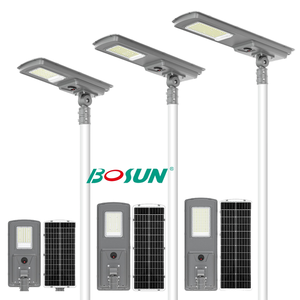
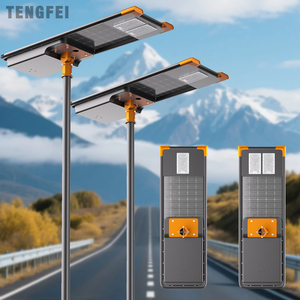
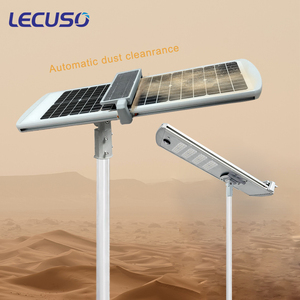
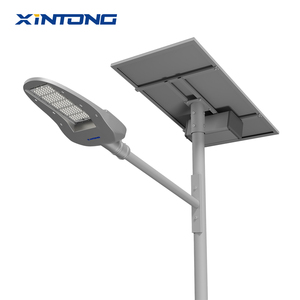
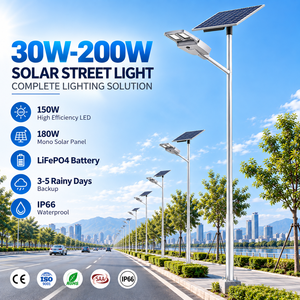
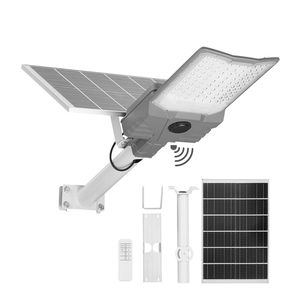
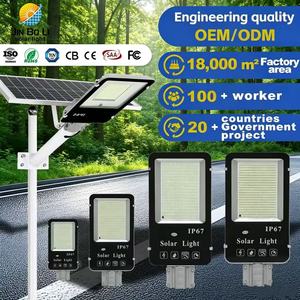
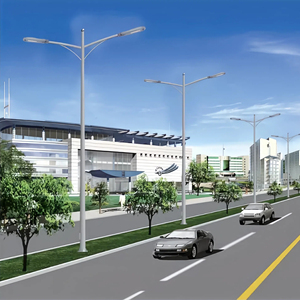
1. Market Dynamics & The Need for Vertical Solar Street Lighting in Argentina
Argentina represents one of South America's most geographically diverse and energy-demanding markets for off-grid outdoor lighting. Stretching from the high-altitude, high-irradiance northern Andes down to the storm-swept, wind-intense plains of Patagonia, infrastructure developers face extreme environmental challenges. Municipalities in Gran Buenos Aires, mining camps in the Lithium Triangle (Jujuy, Salta, Catamarca), and agricultural transport corridors in Cuyo are increasingly transitioning away from conventional grid-tied sodium lamps to vertical solar street light poles.
Traditional horizontal solar panels mounted on top of lighting poles face significant operational vulnerabilities in Argentina:
- Extreme Wind Loads in Patagonia: Winds along Southern Arterial Highways (such as Ruta Nacional 3) routinely exceed 120 km/h to 160 km/h. Flat, horizontal panels act as sails, generating massive mechanical fatigue that leads to bracket failures, pole bending, or total structural collapse.
- Dust & Sand Accumulation in Zonda Zones: In provinces like Mendoza and San Juan, dry seasonal Zonda winds coat flat glass panels with fine particulate dust, reducing solar conversion efficiency by up to 45% within weeks if not manually cleaned.
- Snow & Ice Accumulation in Andean Foot-Hills: Flat panels collect heavy snowfall, blocking sun rays during short winter days. Vertical cylindrical solar poles allow snow and ice to slide off naturally, preserving battery recharge cycles.
- Vandalism & Theft Mitigation: In urban periphery zones surrounding major metropolitan hubs, low-mounted or accessible battery boxes and horizontal panels suffer from high theft rates. Vertical wrap-around cylindrical poles seamlessly integrate the PV cells directly onto the pole surface with internal concealed lithium battery packs, rendering theft nearly impossible.
Top 10 Vertical Solar Light Pole Manufacturers & Exporters
A rigorous evaluation of manufacturing capacity, export compliance for South America (SIRA/SEDI), structural engineering, and E-E-A-T credentials.
3. Targeted Regional Application Scenarios in Argentina
Deploying off-grid solar street lighting in Argentina requires precise alignment between component specifications and micro-climatic zones:
Lithium Triangle Mining (Jujuy, Salta, Catamarca)
Located above 3,500 meters altitude, high UV index and extreme night-day temperature swings require IP67 sealed aluminium battery enclosures, wide-temperature LiFePO4 cells, and vertical cylindrical solar panels that resist heavy dust storms (Puna winds).
Vaca Muerta Oil & Gas Corridors (Neuquén)
Heavy transport routes supporting oil field logistics demand continuous high-lumen illumination (12,000+ Lumens). High-powered split solar floodlights and 10-meter vertical poles provide clear visibility without requiring expensive grid trenching across remote desert soil.
Patagonian Coastal Highways (Ruta 3, Santa Cruz)
Continuous gale-force winds demand slim aerodynamic drag profiles. Vertical wrap-around solar poles present a fraction of the wind resistance of conventional flat panels, ensuring structural integrity up to 160 km/h gusts.
Urban Parks & Boulevards (Buenos Aires, Rosario)
Modern municipal aesthetics demand hidden solar infrastructure. Sleek vertical solar poles blend seamlessly into urban architecture while eliminating electricity bills and bypassing grid blackout vulnerabilities in Gran Buenos Aires.
4. Technical Matrix: Vertical Solar Poles vs. Traditional Flat Panel Solar Lights
| Performance Engineering Parameter | Vertical Cylindrical Solar Pole | Traditional Flat-Panel Solar Light | Grid-Connected AC Lighting |
|---|---|---|---|
| Patagonian Wind Load Rating | 160 km/h (Low Drag Coefficient) | 90 - 110 km/h (High Sail Effect) | 140 km/h (No panel drag) |
| Dust & Snow Self-Shedding | 99% Automatic Gravity Slide | Requires Manual Cleaning Cycles | N/A |
| Vandalism & Theft Resistance | Maximum (Enclosed internal components) | Low (Exposed panels & battery boxes) | Medium (Cable theft vulnerable) |
| Trenching & Cabling Capital Cost | $0 USD (100% Off-Grid) | $0 USD (100% Off-Grid) | $35 - $65 USD per meter |
| 360-Degree Sunlight Absorption | Yes (Captures morning/afternoon rays) | No (Fixed single angle) | N/A |
| Lifespan of Solar PV Array | 25 Years (Grade-A Monocrystalline) | 15-20 Years (Micro-cracking risks) | N/A |
5. Frequently Asked Questions (Argentina Sourcing & Technical Procurement)
6. Key Manufacturer Selection & Evaluation Criteria for Argentine Engineering Buyers
When evaluating global exporters for Argentine municipal tenders or private mining projects, procurement teams should insist on the following verifiable engineering standards:
- Photometric IES File Validation: Ensure suppliers provide certified IES light distribution files tested by accredited third-party laboratories to verify compliance with national roadway lighting standards.
- C-5 Marine Anti-Corrosion Coating: For coastal applications near marine environments (such as Mar del Plata or Bahia Blanca), hot-dip galvanization must be paired with fluorocarbon powder coating to prevent salt-spray degradation.
- Smart MPPT Controller Efficiency: Demand High-Efficiency Maximum Power Point Tracking (MPPT) controllers (>98% tracking efficiency) with programmable multi-stage dimming profiles (e.g., 100% brightness for peak traffic hours, dropping to 30% dimming with motion sensor override during early morning hours).
- Verified Battery Cycle Life: Confirm that the supplier utilizes EV-grade LiFePO4 cells offering >4,000 cycles at 80% Depth of Discharge (DoD), equivalent to over 10 years of reliable nightly operation.
Request Custom Solar Lighting Engineering & Quotation for Argentina
Consult with our senior solar lighting engineers for project design, photometric calculations, wind load certifications, and factory-direct export pricing.