
Solar Lighting Blog & News
Latest news, technical guides, and expert perspectives on smart solar street lights, off-grid infrastructure, and clean energy technology.
Industrial Solar Street Lighting & Connectivity Poles
Engineered for extreme Northern climates, high wind loads, and continuous multi-day dark autonomy. Integrated with advanced MPPT controllers, LiFePO4 energy storage, and optional 4G/5G smart city nodes.
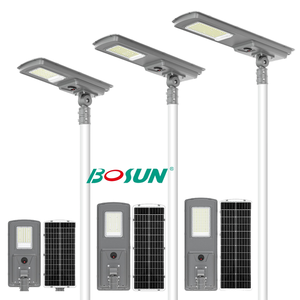
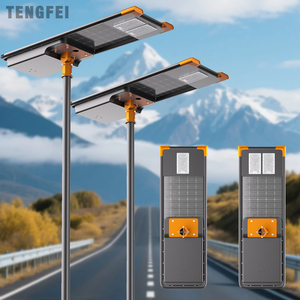
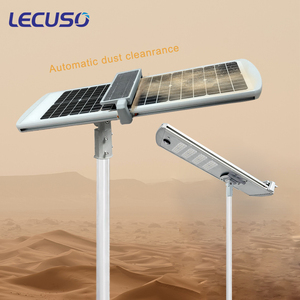
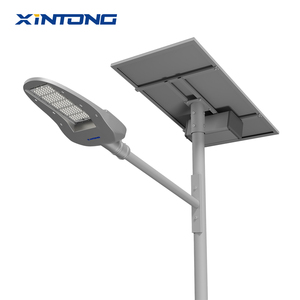
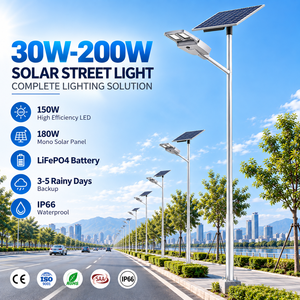
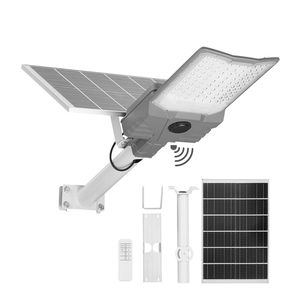
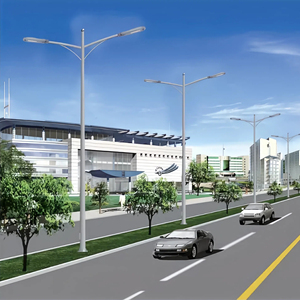
Executive Technical Overview: Smart Pole Infrastructure in the Greater Toronto Area (GTA)
As the City of Toronto accelerates its TransformTO Net-Zero Climate Action Strategy aimed at reducing community-wide greenhouse gas emissions to net-zero by 2040, municipal infrastructure planners, urban developers, and transportation authorities across Ontario are undergoing a paradigm shift. Traditional grid-tied street lighting networks are increasingly burdened by mounting electrical utility costs, transformer capacity constraints, expensive underground cabling maintenance, and vulnerabilities to extreme storm events that trigger localized grid blackouts.
Our specialized manufacturing facilities supply the Toronto market with Smart Solar Connectivity Poles—integrated micro-utility vertical assets engineered specifically to bridge the gap between renewable energy autonomy and modern urban digital infrastructure. Unlike standard legacy solar lights, our smart connectivity poles combine high-efficiency solar photovoltaic generation, sub-zero energy storage arrays, solid-state LED illumination, and multi-sensor IoT telecommunication nodes into a unified structural steel architecture.
Extreme Sub-Zero Thermal Management: Canadian Winter Resilience
The primary failure vector for conventional solar street lighting in Northern latitudes—specifically Ontario's Zone 5/6 climate conditions—is electro-chemical degradation of energy storage cells during freezing temperatures. Standard Lithium Ion (Li-ion) and cheap LiFePO4 batteries experience rapid internal resistance escalation, lithium plating, and sudden voltage collapses when exposed to ambient temperatures below -10°C.
To guarantee 365-night operational autonomy in Toronto, our engineering team developed the ArcticShield™ Thermal Enclosure Matrix. Key thermal innovations manufactured into every unit destined for the Canadian market include:
Active Heating Film Wrap
Integrated silicone heater jackets controlled by a smart BMS draw micro-amps of solar power to maintain internal battery core temperatures above +5°C during freezing cycles, ensuring uninhibited charge acceptance down to -35°C ambient.
Vertical Cylindrical Solar Modules
Optional 360° vertical wrap bifacial panels eliminate snow accumulation entirely. Snow slides off vertically due to gravity, while harvesting ground albedo reflection from surrounding snow cover (boosting yield by up to 25%).
Dynamic MPPT Winter Curves
Algorithmic Maximum Power Point Tracking tailored for Toronto's winter solar elevation angle (23° at winter solstice). Boosts charging efficiency during limited 8.9-hour daylight windows in December.
Multi-Functional Architecture: Lighting, Sensing & Connectivity Convergence
Our smart solar poles serving Toronto are designed as modular vertical platforms rather than isolated lighting fixtures. Utilizing an open-architecture structural steel pole core with integrated internal cabling channels and waterproof IP67 side-mount enclosures, each pole can be customized to house a full suite of municipal smart city devices:
| Functional Module | Integrated Technology Specs | Toronto Operational Value |
|---|---|---|
| EnGo Light Subsystem | Solid-state LED engine, 160–210 lm/W, CCT 3000K–5000K, Full Cutoff Optics (Dark Sky Compliant). | Eliminates light spill into ravines and residential spaces. Complies with City of Toronto Pedestrian & Roadway Lighting Standards. |
| EnGo Monitor Subsystem | AI Optical CCTV cameras, License Plate Recognition (LPR), Air Quality PM2.5/PM10 sensors, Traffic Counter. | Enables real-time traffic monitoring, pedestrian density mapping, and environmental air quality tracking across GTA urban zones. |
| EnGo Connect Subsystem | Integrated 4G/5G Small Cell mounting space, Public Wi-Fi 6 Access Points, LoRaWAN IoT Gateway, Emergency SOS Button. | Transforms public right-of-ways into high-speed connectivity zones without laying thousands of meters of fiber optic conduit. |
| Smart Micro-Grid Node | Bidirectional RS485 / CANbus communication, Central Management Software (CMS) with cloud management dashboard. | Allows municipal operators to remotely adjust dimming schedules, monitor battery state-of-charge, and receive automatic fault alerts. |
Localized Application Scenarios Across the Greater Toronto Area
Our solar connectivity solutions are engineered to address the specific environmental and structural requirements of diverse urban landscapes across Southern Ontario:
1. Waterfront Toronto & Coastal Promenades
Along Queen's Quay, Cherry Street, and the Port Lands development, traditional underground conduit installation faces high water tables and severe salt-spray conditions from Lake Ontario. Our poles feature marine-grade C5-I powder coating, anodized aluminum housings, and 100% off-grid autonomy that bypasses damp sub-grade wiring risks.
2. Transit Corridors & Highway Off-Ramps
Stretches along the Gardiner Expressway, Don Valley Parkway (DVP), and Highway 401 interchange loops require continuous illumination for driver safety. High-powered split solar floodlights and automated self-cleaning poles provide reliable lighting without traffic disruptions caused by trenching road shoulders for utility lines.
3. Municipal Parks, Ravines & Trail Systems
In ecologically sensitive zones like High Park, the Don River Valley trail network, and Scarborough Bluffs, digging trenches damages tree root systems and natural drainage paths. Low-impact solar connectivity poles install on micro-pile foundations, providing dark-sky compliant amber/warm LED lighting and emergency call-box connectivity.
4. Industrial Logistics & Commercial Real Estate
Massive distribution hubs in Mississauga, Brampton, and Vaughan require wide-coverage parking and perimeter security lighting. Integrating solar connectivity poles allows site managers to deploy perimeter security cameras, gate access control, and high-lumen floodlighting rapidly without disruption to logistics operations.
Economic Feasibility: 15-Year Total Cost of Ownership (TCO) Comparison
While the initial equipment purchase cost of a high-spec smart solar connectivity pole is higher than a bare grid-tied metal pole, the total turn-key project installation and lifetime operational expenses yield overwhelming cost savings.
| Cost Component (Per 50 Poles) | Traditional Grid-Tied System (Toronto GTA) | Smart Solar Connectivity Pole System |
|---|---|---|
| Trenching, Cabling & Conduits | $140,000 - $220,000 (Asphalt cutting & restoration) | $0 (Zero Sub-grade Disturbance) |
| Transformer & Utility Interconnect | $45,000 - $80,000 (Toronto Hydro engineering fees) | $0 (100% Off-Grid Independent) |
| Annual Hydro Electricity Costs | ~$6,800 / year (Escalating utility rates) | $0 / year (Free Solar Harvest) |
| 15-Year Operational Maintenance | High (Cable degradation, freeze-thaw ground heave) | Low (Predictable BMS monitoring & LiFePO4 swapping at Yr 10) |
| Smart City Node Readiness | Requires separate telecom trenching & power drops | Pre-integrated Modular Architecture |
| 15-YEAR TOTAL LIFECYCLE COST | $320,000 - $450,000+ | $135,000 - $180,000 (55%+ Net Savings) |
Factory Direct Manufacturing & Quality Assurance Standards
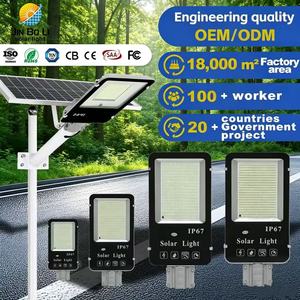
As a direct manufacturer with end-to-end production control, we provide original equipment manufacturers (OEM) and custom project engineering (ODM) services tailored to Canadian municipal procurement guidelines. Our ISO 9001 and ISO 14001 certified manufacturing facility operates automated SMT surface-mount lines, automated integrating sphere photometers, high-g vibration test beds, and extended salt-spray corrosion chambers.
Every smart solar pole batch manufactured for export to Ontario complies with essential North American safety and performance standards:
Electrical & Mechanical Standards
CSA C22.1 Canadian Electrical Code compliance pathways, UL 2703 solar mounting safety standards, CE, and RoHS non-hazardous material certifications.
Structural Wind Resistance
Structural steel pole shafts calculations certified according to AASHTO LTS-6 and ASCE 7 wind load specs, engineered for gust velocities up to 160 km/h with heavy ice loading.
Ingress & Impact Protection
Luminaire heads rated IP67 / IP68 dust and water immersion tight. High-impact polycarbonate lens covers tested to IK10 anti-vandalism levels.
Toronto Procurement & Technical FAQ
Common questions from municipal project engineers, lighting designers, and procurement managers in Ontario:
Q: How do your solar poles maintain lighting during consecutive cloudy winter days in Toronto?
Our systems are sized using historical NASA solar radiation data for Toronto (43.6532° N). We configure battery capacity to provide a minimum of 5 to 7 nights of continuous autonomy without solar charge, paired with intelligent MPPT dimming schedules that automatically conserve power during prolonged winter storm events.
Q: Does snow buildup on solar panels prevent winter operation?
We offer vertical cylindrical solar wrap modules and steep tilt angles (55° to 65°) specifically engineered for Canada. Heavy snow naturally sheds off steep surfaces, while vertical cylindrical panels never collect snow accumulation, ensuring immediate solar harvest after snowfall.
Q: Are your fixtures Dark-Sky compliant according to Ontario guidelines?
Yes. Our luminaires feature precision zero-uplight optics with a BUG rating of U0. They satisfy the stringent dark-sky light pollution requirements mandated by Toronto Urban Design Guidelines and environmental protection bodies.
Q: What is the expected lifespan of the LiFePO4 battery in cold weather?
Our battery cells utilize A-grade LiFePO4 chemistry integrated with thermal heating jackets. They deliver 4,000+ depth-of-discharge cycles at 80% DOD, corresponding to an operational lifespan of 10 to 12 years under typical Toronto seasonal variations.
Q: Can we integrate 3rd party CCTV cameras or 5G small cells on your poles?
Absolutely. Our smart poles feature internal structural wireways and standard 12V/24V DC auxiliary power taps directly driven by the solar battery storage system, allowing seamless plug-and-play installation of third-party IP cameras, public Wi-Fi APs, and IoT sensors.
Q: What is the factory lead time for shipping commercial orders to Ontario?
Standard OEM production lead times range from 15 to 25 days depending on pole customization requirements. Freight delivery directly to your job site or warehouse in the Greater Toronto Area typically takes 20 to 30 days via ocean/rail logistics, with expedited air options for emergency components.
Partner with a Trusted Smart Solar Pole Factory
Need custom engineering drawings, photometric IES files, or factory-direct wholesale pricing for your upcoming project in Toronto, Mississauga, Brampton, or surrounding Ontario municipalities? Speak with our senior technical engineering team today.