
Insights & Articles
Solar Lighting Blog & News
Latest news, technical guides, and expert perspectives on smart solar street lights, off-grid infrastructure, and clean energy technology.
Seoul-Ready Commercial Solar Street Lights
Factory-direct MPPT solar lighting systems engineered for municipal arterial roads, urban parks, commercial hubs, and smart logistics zones across the Seoul Metropolitan Area.
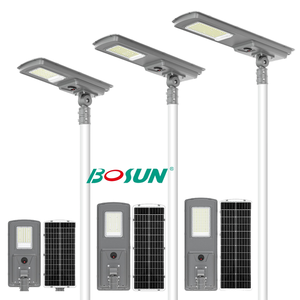
Hot Selling Low-energy Split Solar Street Light Outdoor Led Street Lamp
Get Catalog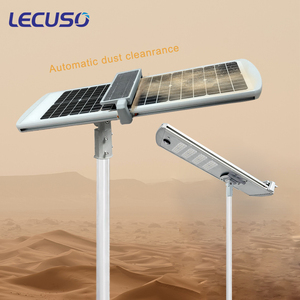
High Quality 30W-150W Auto Clean Self Cleaning Solar Street Light
Get Catalog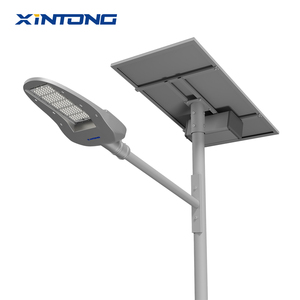
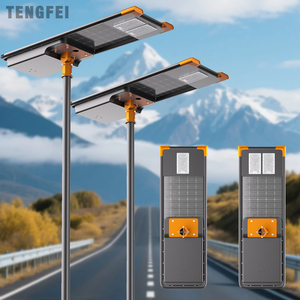
Heavy Duty 60W-150W Split Type Industrial Solar Road Lighting System
Get Catalog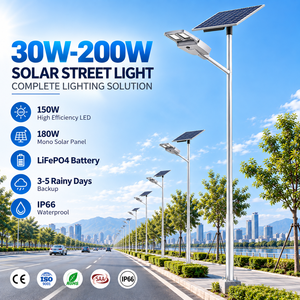
All In Two LED Solar Powered Street Light IP66 with Battery Backup
Get Catalog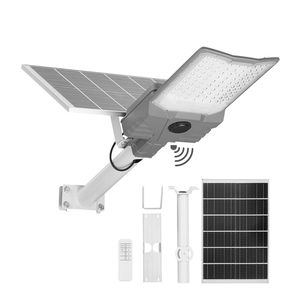
Ultra High-Powered Split Solar Floodlight 6500K CCT Wide Beam Angle
Get Catalog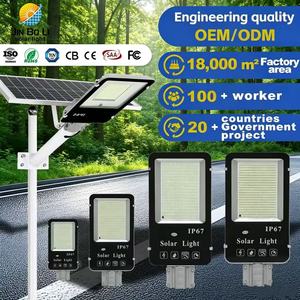
Remote Control IP67 Solar LED Light 50W-300W RoHS Certified Split Lamp
Get Catalog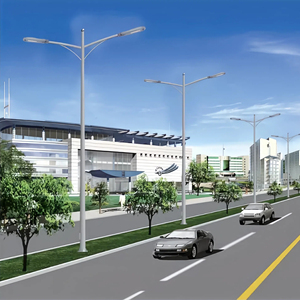
Commercial Grade 60W-120W Integrated Hybrid MPPT Solar Street Light
Get CatalogWhy MPPT Technology Controls Seoul's Solar Future
Conventional solar lights fail in East Asian seasonal shifts. Our digital Maximum Power Point Tracking (MPPT) architecture optimizes power extraction under cloud cover, snowfall, and urban shadows.
Dynamic Solar Charging
Real-time voltage and current scanning algorithms continuously adjust electrical operating points, harvesting up to 35% more power during Seoul's overcast monsoon periods than legacy PWM controllers.
Sub-Zero Battery BMS
Integrated thermal sensing modules prevent lithium battery degradation during Seoul’s harsh freezing winters (-15°C to -25°C), deploying intelligent micro-current pulse heating before charging.
IoT Smart City Gateway
Seamless communication via LoRaWAN, NB-IoT, and RS485 interfaces natively links every street light pole into Seoul Metropolitan Government’s unified Smart City lighting grid.
Executive Whitepaper: Solar Photovoltaic Infrastructure in Seoul Metropolitan Area
As Seoul advances toward its ambitious Seoul Smart City 2030 master plan and aligns with South Korea’s national net-zero greenhouse gas emission goals for 2050, municipal lighting infrastructure is undergoing a radical transition. Traditional grid-tied high-pressure sodium and baseline AC LED street lamps are rapidly being phased out in favor of self-sustaining, resilient, off-grid solar LED luminaires. However, deploying off-grid solar lighting in Seoul presents a unique set of geographical, meteorological, and municipal engineering challenges that generic standard solar lights fail to address.
This whitepaper, compiled by our engineering research team and global export division, details the critical role of advanced Maximum Power Point Tracking (MPPT) solar charge controllers, specialized lithium battery management systems (BMS), and customized optical distributions engineered specifically for Seoul's urban topography and climate profile.
1. Seoul’s Microclimate & Meteorological Challenges for Solar Energy
Seoul is situated at latitude 37.5665° N in the Korean Peninsula, characterized by a humid continental climate with extreme seasonal variation. For municipal engineers and procurement authorities, three distinct weather patterns dictate solar lighting reliability:
- The East Asian Rainy Season (Jangma / 장마): Between late June and late July, Seoul experiences prolonged cloud cover, torrential rainfall, and atmospheric overcast conditions lasting up to 2 to 3 consecutive weeks. Sunlight hours drop precipitously to less than 1.2 peak sun hours per day.
- Sub-Zero Freezing Winters: Winter months (December to February) bring cold Siberian winds, dropping ambient temperatures to -15°C (with extreme wind chills reaching -25°C). Lithium-ion (NMC) and standard LiFePO4 chemistry batteries lose up to 40% of their operational capacity and risk permanent anode plating damage if charged below 0°C without active thermal management.
- Urban Heat Island & Micro-shading: High-density urban zones such as Gangnam, Yeouido, and Guro Digital Complex feature dense high-rises and elevated expressways (e.g., Olympic Expressway, Gangbyeonbuk-ro) that cast severe structural shadows across solar collectors during low winter sun angles.
To overcome these environmental hurdles, baseline Pulse Width Modulation (PWM) controllers are completely inadequate. PWM controllers pull down solar panel output voltage to match battery voltage, losing 25% to 40% of the potential energy harvest during cold cloudy weather. Our industrial-grade MPPT Controller Technology dynamically tracks the maximum voltage-current point (Vmp/Imp curve) hundreds of times per second, converting excess panel voltage into additional charging current. This delivers up to 99.5% tracking efficiency and guarantees continuous nighttime illumination even during 7 consecutive rainy days in Seoul's *Jangma* period.
Comparative Technical Benchmark: MPPT vs. Legacy PWM in Seoul Climate
| Performance Metric | Legacy PWM Controller | Industrial MPPT Controller (Our Tech) | Seoul Operational Impact |
|---|---|---|---|
| Solar Conversion Efficiency | 65% - 75% | 97.5% - 99.5% | +30% total energy yield during winter months. |
| Monsoon Autonomy (Cloud Cover) | 1 to 2 rainy days max | 5 to 7 continuous rainy days | Zero blackout downtime during summer *Jangma*. |
| Sub-Zero Charging Capability | Fails / Permanent battery damage | Integrated Micro-Heating & Pulse BMS | Full operation down to -25°C in Seoul winters. |
| Input Voltage Flex (Vmp) | Locked to Battery Voltage (12V/24V) | High Voltage Step-Down (up to 150V Voc) | Allows high-efficiency series solar panel wiring. |
| Smart City Connectivity | None / Standalone timer | IoT Gateway (NB-IoT / LoRa / RS485) | Integrates directly into Seoul Municipal Dashboard. |
2. Engineering Deep Dive: Advanced Controller Architecture
Our OEM factory manufactures specialized MPPT solar charge controllers utilizing high-frequency synchronous rectification technology and high-speed 32-bit ARM Cortex-M4 microprocessors. Key proprietary engineering innovations include:
Ultra-Fast Perturb & Observe (P&O) Tracking Algorithm
Our dynamic software algorithm sweeps the entire Voltage-Current (I-V) spectrum of the photovoltaic module in under 100 milliseconds. When partial shading occurs due to urban structures or snow accumulation on the panel, traditional controllers lock onto false local power maxima. Our controller identifies the true Global Maximum Power Point (GMPP), extracting peak power even under complex non-uniform irradiance.
LiFePO4 Thermal Protection & Low-Temperature Heating Heuristics
Lithium Iron Phosphate (LiFePO4) is the gold standard for commercial solar lighting due to its 4,000+ cycle life and thermal stability. However, standard LiFePO4 cells cannot be charged below 0°C without risking internal short circuits. Our Seoul-spec solar luminaires integrate smart thermal blanket heating pads around the battery compartment. Before charging commences, the MPPT controller channels solar power to warm the battery core to +5°C, ensuring maximum battery longevity over a 10-to-12-year design life.
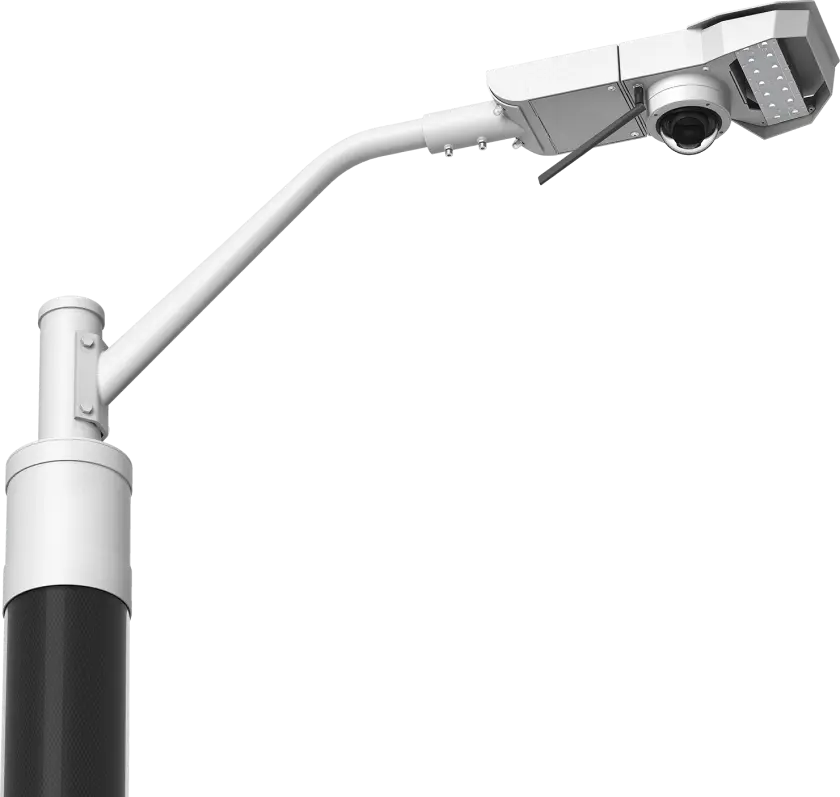
Diagram: Integrated Smart Solar Pole Structure showing Luminaire, MPPT Control Suite, and IoT Communication Node.
3. Seoul Localized Application Scenarios & Installation Profiles
Different administrative districts in Seoul require unique luminaire specs and optical light distribution profiles (IESNA Type I, Type II, Type III, and Type V). As an experienced exporter to South Korea, we customize configurations for key urban environments:
Scenario A: Arterial Roads, Expressways & Smart Bus Transit (BRT) Corridors
High-speed roads such as the Olympic Expressway, Gangbyeonbuk-ro, and major arterial routes in Gangnam-gu and Mapo-gu demand intense luminaire efficacy (180–200 lm/W) and high mounting heights (8 to 12 meters). Our split-type MPPT solar street lights (Product #2 and #4) feature heavy-duty die-cast aluminum housings, asymmetric Type III optical lenses, and high-wattage monocrystalline panels rated up to 550W. They ensure uniform light spread without glare, meeting Korean Standard KS C 7658 for LED street lighting performance.
Scenario B: Han River Parks (Hangang Park) & Urban Ecological Trails
Seoul’s extensive waterfront parks along the Han River (Hangang Park network) prioritize aesthetic integration, eco-friendly footprint, zero light pollution (Dark Sky compliance), and low maintenance. Our All-in-One and All-in-Two MPPT Solar Lights (Product #1, #3, #5) provide streamlined vertical pole-mounted or integrated solar profiles. Featuring microwave motion sensors, the lights dim to 30% brightness during low pedestrian traffic hours and instantly ramp to 100% when cyclists or pedestrians approach, dramatically conserving battery capacity.
Scenario C: Mountainous Micro-climates & Shaded Parks (Namsan, Bukhansan)
Illuminating pathways in elevated, forested regions such as Namsan Park or Bukhansan National Park border trails involves variable solar radiation due to tree canopy shadow and steep mountain topography. Our self-cleaning auto-clean solar light (Product #3) prevents pollen, leaves, and winter snow from blocking solar absorption, utilizing internal robotic wipers driven directly by the MPPT controller.
Scenario D: Smart Logistics Parks & Port Freight Hubs (Incheon-Seoul Corridor)
Industrial warehousing complexes in Gyeonggi-do and the Seoul logistics belt require high-lumen output dusk-to-dawn floodlighting. Our 12000W-equivalent high-power split floodlight systems (Product #6) deliver up to 900,000 lumens equivalent flux, providing security lighting across broad container yards without requiring expensive grid transformer upgrades.
4. Strategic Alignment with Seoul Smart City 2030 & Korea Carbon Neutrality 2050
The Seoul Metropolitan Government is investing heavily in smart city digital twin technology, IoT urban monitoring networks, and carbon abatement programs. Integrating our MPPT smart solar street lighting fleet offers direct operational and financial advantages to municipal concessionaires and EPC contractors:
- Zero Grid Infrastructure Costs: Eliminates trenching, cabling, electrical sub-station installation, and monthly electricity tariffs, reducing initial capital expenditure (CAPEX) by up to 45% compared to grid lighting in remote urban parks.
- Carbon Credit Generation: Each 100W solar street light deployed in Seoul offsets approximately 380 kg of CO2 per year. A 5,000-unit municipal retrofit reduces carbon footprint by nearly 1,900 metric tons annually.
- Real-time Telemetry & Asset Management: Remote cloud management software allows Seoul municipal operators to monitor battery state of charge (SOC), solar harvesting efficiency, LED luminaire status, and automated fault alerts via a centralized web dashboard.
Frequently Asked Questions for Seoul Importers & Contractors
Technical answers addressing local certification, extreme weather resilience, shipping logistics to Incheon Port, and OEM custom design capabilities.
Q1: Do your MPPT solar street lights comply with South Korea’s KS & KC Standards?
Yes. Our factory manufactures solar lighting systems adhering strictly to international standards (ISO9001, ISO14001, CE, RoHS, IP67, IK10). For South Korea procurement, our components are certified to meet KS C 7658 (LED Street Lighting Luminaires) and KC safety specifications for lithium battery packs, facilitating smooth municipal bidding and clearance through Korea Customs.
Q2: How do your solar street lights perform during Seoul’s sub-zero freezing winters?
Our Seoul-grade solar street lights utilize grade-A LiFePO4 battery cells combined with a smart thermal management BMS. When internal battery temperatures drop below 0°C, the MPPT controller activates micro-heating pads powered by incoming solar energy, raising battery core temp to safe operating levels prior to charging.
Q3: What is the continuous rain autonomy during the summer Jangma monsoon season?
Thanks to high-efficiency MPPT tracking (99.5% efficiency) and intelligent dimming heuristics (microwave radar sensing and time-profile dimming), our systems provide 5 to 7 consecutive days of continuous dusk-to-dawn illumination even under heavy cloud cover and continuous rainfall.
Q4: Can you supply customized pole heights, finish colors, and bracket angles for Seoul projects?
Absolutely. We are a direct manufacturing factory offering full OEM/ODM customization. We supply customized hot-dip galvanized steel poles (fluorocarbon painted for high anti-corrosion), specific RAL colors requested by Seoul city design guidelines, and engineered tilt angles (25° to 35°) optimized for Seoul’s latitude.
Q5: What are the lead times and sea freight routes from your factory to Seoul (Incheon/Busan Port)?
Standard production lead time is 12 to 18 days depending on order volume. Shipping to Incheon Port takes approximately 3 to 5 days via direct ocean freight, ensuring rapid delivery timelines for urgent municipal lighting tenders and commercial project deadlines.
Q6: How is after-sales warranty and component replacement handled for Korean buyers?
We provide a comprehensive 3 to 5-year full system warranty. All major components (MPPT controller, LED module, battery pack, solar panel) feature modular quick-connect IP68 waterproof wiring harnesses, enabling plug-and-play field replacement within minutes without requiring specialized tools.
Direct Manufacturing & Global Export Strength
Partnering directly with a tier-1 solar street light factory guarantees uncompromised quality, competitive OEM pricing, and complete technical support.
State-of-the-Art SMT Production
Automated High-speed SMT lines for MPPT controller boards and LED light engines ensuring zero defect rate and precise thermal dissipation design.
Strict ISO & IES Testing
100% aging testing, dark room integrating sphere optical testing, salt spray corrosion testing, and IP67 waterproof submersion testing.
40+ Countries Export Network
Trusted exporter with extensive project experience supplying government infrastructure, highways, and smart cities across Asia, Europe, and the Americas.
Dedicated Engineering Support
Custom Dialux optical lighting simulations, CAD pole drawings, and localized engineering consultation for Seoul bidding proposals.
Ready to Illuminate Seoul’s Smart Infrastructure?
Contact our senior engineering team today to receive complete technical datasheets, Dialux lighting calculations, custom OEM quotation, and full product catalogs for your South Korean projects.
Get Catalog