
Solar Lighting Blog & News
Latest news, technical guides, and expert perspectives on smart solar street lights, off-grid infrastructure, and clean energy technology.
High-Performance Solar Luminaire Platforms for Peruvian Campuses
Specially engineered for educational environments—from high-altitude Andean schools to humid coastal universities. Each system integrates advanced MPPT telemetry, high-lumen LED arrays, and resilient LiFePO4 storage.
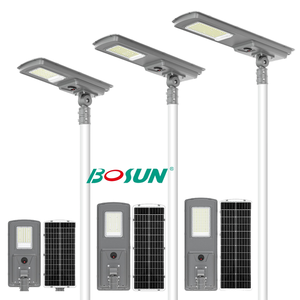
Dusk to Dawn All in One Solar Street Light Outdoor Waterproof
- Integrated Monocrystalline PV & PIR
- IP67 Marine-Grade Weatherproof
- 5-7 Days Rainy Day Autonomy
- Target: Campus Perimeter & Walkways
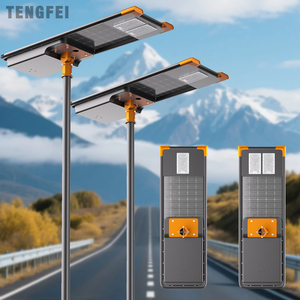
Hot Selling Low-energy Split Solar Street Light Outdoor Led Street Lamp
- High Efficacy 190 lm/W LED Optics
- Adjustable Mount for High Latitude
- Heavy-Duty LiFePO4 Deep Storage
- Target: Primary Access Roads & Boulevards
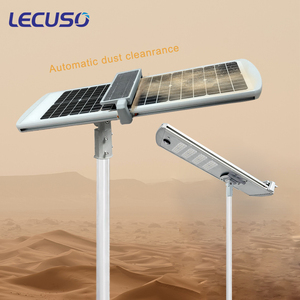
30W-150W Automatic Auto Clean Self Cleaning Solar Street Light
- Automated Dual-Robotic Brush Unit
- Eliminates Coastal Garúa Fog Dust
- Smart MPPT Wireless Control
- Target: Arid Coastal & Desert Regions
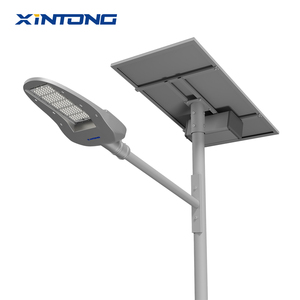
Road Light 60W-150W Split Solar Street Lamp Luminaire
- Die-Cast Anti-Corrosion Aluminum
- Custom Tilt Brackets for Andean UV
- Integrated Photocell Dimming Profile
- Target: University Parking Lots & Arenas
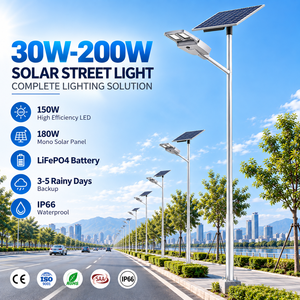
All In Two Modular LED Solar Street Light IP66 with Battery Backup
- Modular All-in-Two Plug & Play Setup
- Extended High-Capacity Battery Bank
- Vibration-Proof for Seismic Zones
- Target: High-Security Quad Areas
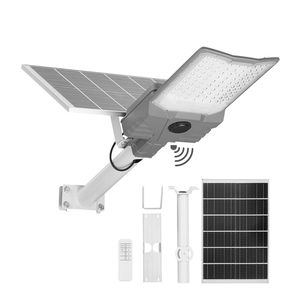
High-Powered Split Solar Floodlight 6500K CCT 240° Beam
- Massive Area Coverage & High Output
- Wide 240° Optical Distribution Lens
- Heavy-Duty Structural Steel Mounting
- Target: Outdoor Campus Athletic Fields
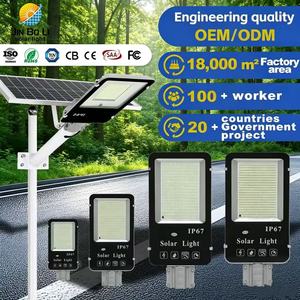
Remote Control IP67 Solar LED Light 50W-300W Split Outdoor Lamp
- RF Handheld & Automated Programming
- RoHS & CE Certified Manufacturing
- Overcharge & Deep Discharge Protection
- Target: Secondary Pathways & Dorms
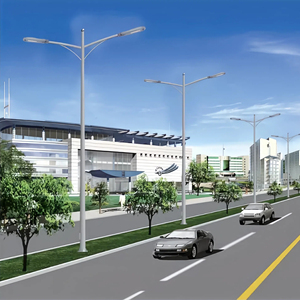
Commercial Grade 60W-120W Hybrid Solar Luminaire Platform
- Cost-Optimized Municipal Specifications
- Anti-Theft Hardware & Casing
- Fast Lead-Time Production & Export
- Target: Large Public Tenders & PRONIED
Peru Educational Infrastructure Modernization & Solar Integration
Navigating the intersection of national energy transition mandates, PRONIED compliance standards, and regional microclimate challenges across Peru’s academic landscape.
PRONIED & MINEDU Mandates
Peru’s National Program for Educational Infrastructure (PRONIED) under the Ministry of Education (MINEDU) is actively retrofitting and constructing thousands of public schools nationwide. Off-grid solar lighting is a non-negotiable requirement for rural school electrification, eliminating grid connection costs that often exceed project budgets by 300% in remote departments like Puno, Loreto, and Cajamarca.
Microclimate Stress Vectors
Peru possesses 28 of the world's 32 distinct climate zones. Coastal institutions (Lima, Trujillo, Piura) face severe salt-fog corrosion and persistent winter overcast (*garúa*). Andean altitude campuses (Cusco, Huancayo) encounter sub-zero thermal drops and intense UV irradiation. Amazonian schools require IP68 seal integrity against humidity. Engineering must be microclimate-specific.
Tax Credit & Sustainability Drives
Through mechanisms like Obras por Impuestos (OxI)—Tax for Infrastructure—private enterprises in mining, banking, and telecom fund school infrastructure in exchange for corporate tax offsets. Integrating zero-carbon solar lighting enhances ESG ratings for corporate sponsors while fulfilling Peru's National Energy Plan 2020-2050 targets.
Technical Architecture: Photovoltaic & Energy Storage Solutions
Deep technical breakdown of luminaire physics, controller intelligence, and chemical storage dynamics required for zero-maintenance operation in educational compounds.
1. Photovoltaic Harvest Optimization
Solar radiation in Peru ranges from 3.2 kWh/m²/day on the cloudy central coast during winter to over 6.8 kWh/m²/day in the Southern Andes (Arequipa, Puno). To ensure 365-night operational continuity without failure, our export luminaires utilize N-type Monocrystalline Silicon cells with anti-reflective nanocoatings achieving up to 23.5% conversion efficiency. In split-type systems, custom mounting brackets allow precise zenith angle adjustment (12° to 25°) aligned with Peru’s geographic latitude coordinates.
For coastal regions prone to dense aerosol moisture and particulates, our Auto-Cleaning Series integrates dual-action mechanical wipers that execute automated daily clearing sweeps powered by dedicated micro-servos, preventing module soiling losses of up to 35% over 12 months.
2. Thermal & Electrochemical Storage Integrity
Battery failure is the primary vulnerability in low-quality solar luminaires. We deploy premium Grade-A Lithium Iron Phosphate (LiFePO4) chemistry featuring a 4,500-cycle life at 80% Depth of Discharge (DOD). For high-altitude Andean school installations operating above 3,500 meters sea level (such as Cerro de Pasco or Puno), ambient temperatures drop below -10°C.
Our thermal management architecture incorporates phase-change insulation wrap (PCM) combined with intelligent battery management software (BMS) that modulates charge voltage thresholds dynamically based on real-time thermistor sensors, mitigating lithium plating and preventing thermal runaway.
3. Optical Precision & Photometric Uniformity
Educational campus lighting requires strict adherence to international safety standards (IESNA RP-8 and CIE 115) to prevent dark zones, glare, and light pollution near dormitories. Using optical grade PMMA lenses with specialized asymmetric Type II-M and Type III distributions, our light engines deliver high uniformity (U0 > 0.40) and zero direct light bleed into skyward angles (ULOR = 0%).
High Color Rendering Index (CRI > 70/80) and customizable Correlated Color Temperatures (3000K Warm White for historic quarters; 5000K Crisp White for athletic grounds) enhance security camera coverage and student visibility during evening study hours.
4. Telemetry, IoT & Adaptive Dimming Profiles
All exporting configurations incorporate ultra-efficient MPPT (Maximum Power Point Tracking) charge controllers operating at >99.3% tracking accuracy. Embedded algorithms dynamically adjust output wattage based on ambient movement and battery status.
A typical campus dimming profile operates at 100% output for 4 hours post-dusk (peak student movement), transitions to 30% ambient dimming with 100% microwave radar activation from midnight to 4:00 AM, and ramps up to 70% during pre-dawn hours. Optional IoT nodes support LoRaWAN or 4G LTE remote monitoring, giving university facilities managers real-time telemetry on battery voltage, panel wattage, and luminaire operating health.
Comparing Educational Solar Luminaire Architectures
Engineering comparison to assist Peruvian procurement committees, civil engineering contractors, and school directors in specifying the optimal system structure.
| Architecture Type | Ideal Peru Target Region | Wind & Thermal Tolerance | PRONIED Spec Fit | CAPEX Level | Estimated 10-Yr TCO |
|---|---|---|---|---|---|
| All-in-One (Integrated) | Central & Southern Coast (Lima, Ica, Arequipa urban) | Up to 140 km/h wind | -5°C to 45°C | High (Rural & Primary Schools) | Low - Medium | Lowest (Minimal Labor) |
| Split-Type System | Andean High-Altitude & Heavy Snow (Cusco, Puno, Junín) | Up to 165 km/h wind | -20°C to 50°C | Highest (Universities & Stadiums) | Medium - High | Low (Component Replaceable) |
| Self-Cleaning System | Arid Northern Coast & Desert (Piura, Chiclayo, Trujillo) | Up to 135 km/h wind | Dust/Fog Resistant | High (Desert & Coastal Campuses) | Medium | Ultra Low (Zero Panel Cleaning) |
| All-in-Two Modular | Amazon Basin & Jungle (Loreto, San Martín, Ucayali) | High Humidity IP68 Sealing | Extreme Rain | High (Remote Jungle Schools) | Medium | Very Low (5-Day Autonomy) |
Tailored Campus Lighting Across Peru’s Geographic Regions
Case studies and structural configurations designed to meet the exact environmental and operational demands of Peruvian educational properties.
A. High-Altitude Andean Universities (Cusco, Puno, Ayacucho)
Environmental Challenge: Severe freeze-thaw cycles, high wind gusts across open mountain valleys, and extremely intense ultraviolet solar radiation that rapidly degrades low-tier plastic housings.
Specified System: Heavy-duty Split Solar Street Light with hot-dip galvanized steel poles (C4/C5 rated coating), fluorocarbon-coated aluminum luminaire body, low-temperature LiFePO4 battery pack with intelligent heating foil, and high-efficiency mono PV modules mounted at 20° tilt angles to shed snow and maximize low-angle winter sunlight.
B. Coastal Belt Academic Complexes (Lima, Callao, Chimbote)
Environmental Challenge: Salt-laden coastal air (*brisa marina*) causing rapid electrolytic oxidation of metal fasteners, combined with months of heavy coastal fog (*garúa*) during southern hemisphere winters.
Specified System: 316 Stainless Steel hardware, IP67 enclosure sealings with hydrophobic breathers, multi-layer powder coated aluminum body, and oversized PV panels combined with ultra-low power consumption MPPT algorithms ensuring 7 continuous days of illumination under heavy fog cover.
C. Amazonian Rainforest Rural Schools (Loreto, Pucallpa, Puerto Maldonado)
Environmental Challenge: Extreme humidity (>95%), torrential rainstorms, dense vegetation shade, and complete absence of electrical utility grids in riverine communities.
Specified System: All-in-Two Modular Solar Street Lights featuring IP68 sealed waterproof potted drivers, anti-fungal optical lenses, and high autonomy storage banks. Direct factory supply facilitates straightforward boat transport and local community assembly without specialized electrical tools.
D. University Night Safety & Campus Perimeter Security
Operational Challenge: Mitigating campus crime, eliminating blind spots near student housing, and providing bright illumination for evening classes at major public universities (e.g., UNMSM, UNI, UNSA).
Specified System: Dual-head High-Lumen Solar Luminaires equipped with integrated CCTV power ports or standalone high-power split floodlights (12,000W platform equivalent). Photometrics calibrated for continuous 100% output during peak exit hours (6:00 PM - 10:00 PM).
Why Peruvian Procurement Leaders Partner With Our Exporter Network
Combining advanced USA-inspired smart pole design methodologies with direct, high-capacity Asian factory manufacturing to deliver unparalleled price-performance efficiency.
Strict Quality Control & Certification
Our manufacturing facilities adhere strictly to ISO9001 Quality Management and ISO14001 Environmental System standards. Every exported batch undergoes 100% Automated Optical Inspection (AOI), 48-hour continuous burn-in testing, IP67 water submersion chamber checks, and salt spray fog testing (ASTM B117) to guarantee zero-defect arrivals at Callao Port.
Custom OEM/ODM Engineering for Tenders
We provide complete technical bidding documentation for Peruvian public tenders on SEACE (Sistema Electrónico de Contrataciones del Estado). Our engineering department supplies IES photometric data files, wind resistance structural calculations stamped by certified engineers, customized silkscreen logo placement for school districts, and specific PRONIED technical data sheets.
Streamlined South American Logistics
With extensive export experience into Latin American markets, we handle all customs documentation, Form A / CO Certificates of Origin, UN38.3 battery transport safety certifications, and MSDS documentation. We offer flexible container load shipping (FCL/LCL) directly to Callao, Matarani, or Paita ports, supported by dedicated English/Spanish speaking account directors.
Frequently Asked Questions: Purchasing Solar Lights for Peru
Addressing key commercial, legal, and engineering inquiries common among Peruvian education authorities, municipal planners, and import contractors.
Are your solar street lights compliant with PRONIED and MINEDU tender standards in Peru?
Yes. Our educational institution luminaires are engineered specifically to comply with PRONIED technical specifications for public school electrification. This includes minimum IP66/IP67 ingress ratings, IK10 mechanical impact protection, certified color rendering indices (CRI > 70/80), and non-corrosive hardware capable of enduring Peru's varied regional microclimates. We provide full technical dossiers and test reports required for SEACE bidding.
How do your systems perform during winter in coastal Lima with dense garúa cloud cover?
Coastal Peru experiences prolonged winter overcast with low direct solar insolation (~3.2 Peak Sun Hours). Our systems overcome this by oversizing high-efficiency monocrystalline PV modules, deploying smart MPPT charge controllers with low-voltage tracking sensitivity, and utilizing high-capacity LiFePO4 batteries configured for 5 to 7 days of continuous rainy/cloudy autonomy. Furthermore, our self-cleaning models automatically wipe away sticky ocean mist and dust buildup that reduces charging capacity.
What is the import duty structure and HS code for importing solar street lights into Peru?
Solar street lights are generally classified under HS Code 9405.41.00 (Photovoltaic LED luminaires) or 9405.42.00. Under current Peruvian customs regulations (SUNAT), renewable energy solar equipment may qualify for reduced Ad Valorem import duties or exemptions under specific public infrastructure programs. Buyers are responsible for standard IGV (Impuesto General a las Ventas - 18%). Our export department assists with complete trade documentation to ensure smooth customs clearance at Callao.
What warranties and spare parts guarantees do you provide for university projects?
We supply a comprehensive 5-year standard warranty on complete systems (LED engine, PV panel, MPPT controller, and LiFePO4 battery). For large institutional projects, we include 2% to 3% spare parts buffers (plug-and-play drivers, sensors, and LED modules) free of charge in the shipping container to allow immediate local maintenance by campus technicians without downtime.
Can the systems withstand sub-zero freezing temperatures in high-altitude Andean schools?
Absolutely. For projects in high-altitude zones such as Puno, Cusco, or Huancavelica (>3,500m above sea level), we supply specialized high-altitude configurations. These feature thermal-insulated battery enclosures, customized low-temperature BMS cutoff profiles, and wind-load engineered pole brackets rated for mountain gale winds up to 165 km/h.
What is the typical production lead time for container orders destined for Callao Port?
Standard production lead time is 15 to 20 business days post deposit approval for standard configurations. Ocean freight from our factory ports to Callao typically takes 28 to 35 days. For urgent PRONIED project deadlines, we offer prioritized factory production slots and expedited customs filing.
Request a Customized B2B Lighting Proposal for Your Peruvian Campus
Our engineering team provides comprehensive photometric DIALux simulations, structural calculation reports, and factory-direct pricing tailored for educational institutions, government contractors, and distributors in Peru.
Contact Us