
Solar Lighting Blog & News
Latest news, technical guides, and expert perspectives on smart solar street lights, off-grid infrastructure, and clean energy technology.
Heavy-Duty Salt Mist Resistant Solar Lighting Systems
Select from our factory-direct customizable solar light series engineered specifically for high-salinity marine environments, highway arterial corridors, and commercial developments across the Manila Bay area.
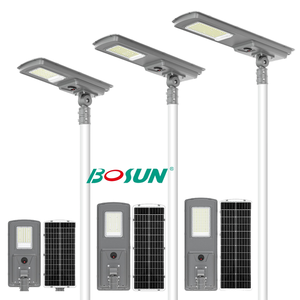
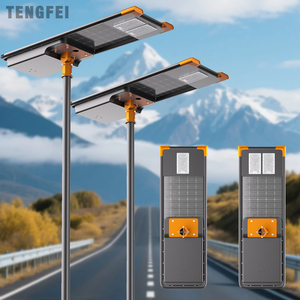
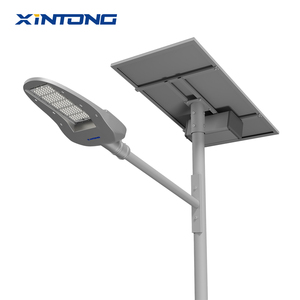
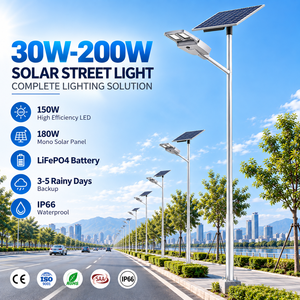
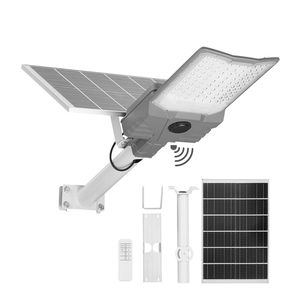
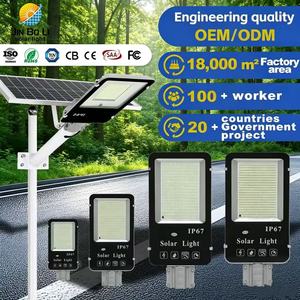
Hot Selling Low-energy Split Solar Street Light Outdoor Led Street Lamp
Inquire Now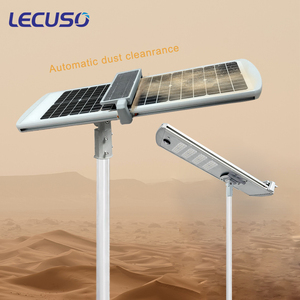
Navigating Atmospheric Degradation: Solar Street Lighting Engineering for Metro Manila
Why standard commercial solar street lights degrade within 12–18 months in the Manila Bay coastal corridor, and how custom OEM factory engineering mitigates electrochemical corrosion and typhoon damage.
Atmospheric Marine Salinity
Metro Manila’s coastline along Manila Bay presents an aggressive microclimate saturated with airborne sodium chloride (NaCl) particles and sulfur dioxide (SO₂) from dense urban maritime traffic. Standard aluminum housing suffers from rapid pitting corrosion and dielectric breakdown without heavy-duty anodization and C5-M marine-grade fluorocarbon powder coating.
Habagat Monsoonal Humidity
During the Southwest Monsoon (Habagat) season, relative humidity levels across Manila regularly reach 85% to 95%. Continuous vapor pressure forces moisture through standard IP65 seals into optical engines and battery enclosures, creating internal condensation, PCB short-circuiting, and accelerated lumen depreciation.
Category 5 Typhoon Dynamics
The Philippine typhoon belt subjected coastal Luzon to wind gusts exceeding 280 km/h (Super Typhoons). Standard bracket mounts and light structural poles shear under dynamic fatigue. Our OEM factory designs utilize FEA (Finite Element Analysis) stress-tested Q235B/Q355 hot-dip galvanized steel and 316L stainless fasteners rated for extreme drag forces.
Electrochemical Mitigation & OEM Materials Passivation
When procuring solar lighting for infrastructure projects across Manila—such as Roxas Boulevard, the Cavite Expressway (CAVITEX), Pasay Reclamation Area, and Subic-Clark industrial zones—procurement managers must evaluate the material science of the luminaire body. Aluminum alloys containing elevated copper content (>0.1%) suffer severe galvanic coupling when exposed to salt-laden dew. Our factory utilizes high-purity ADC12 low-copper die-cast aluminum alloys, subjected to a multi-stage zirconium chromate conversion coating before applying a 120-micron AkzoNobel Interpon CX fluorocarbon topcoat.
Furthermore, internal electronics are protected via localized conformal coating (polyurethane resin) across all PCB surface-mount components, rendering them inert to salt-fog intrusion. Thermal breathing is regulated using GORE® pressure-equalization vents that allow moisture vapor to escape while maintaining a strict IP68 ingress barrier against liquid sea spray and tropical cloudbursts.
Standard Commercial vs. Custom Manila OEM Solar Lights
A detailed comparison highlighting why off-the-shelf commodity solar street lights fail in coastal Philippines, while our custom engineered OEM/ODM systems guarantee 10+ years of operational autonomy.
| Technical Specification | Standard Commercial Solar Light | Manila Coastal OEM Solar Light (Our Factory) |
|---|---|---|
| Salt Spray Resistance | ASTM B117 96-240 Hours (Basic IP65) | IEC 61701 Severity Level 6 (1,440 Hours Accelerated Cycling) |
| Enclosure Finish | Standard Epoxy Powder Coating (60µm) | AkzoNobel Interpon CX C5-M Marine Grade Fluorocarbon (120µm) |
| Fastener Metallurgy | 201 / 304 Stainless Steel (Prone to rust bleed) | Grade 316L (A4-70) Marine Stainless Steel with Anti-Galling Paste |
| Typhoon Wind Rating | 120-150 km/h (Standard structural bracket) | 280 km/h (FEA Verified, Reinforced Internal Arm Bracket) |
| Battery Chemistry & Enclosure | Ternary NCM / Uninsulated LiFePO4 | EV-Grade LiFePO4 with PCM Insulated Enclosure (Up to 65°C Ambient) |
| Moisture Management | Unvented Rubber Gaskets (Prone to vacuum leaks) | GORE® Waterproof Breathable Membrane Pressure Equalizer Valves |
| Solar PV Module Efficiency | 18.0% Standard Polycrystalline | 23.5%+ Monocrystalline PERC / N-Type TopCon Cells |
| Smart Control Autonomy | 3 Days (Basic PWM Controller) | 7-10 Days Autonomy (Adaptive Intelligent MPPT with IoT Dimming) |
Tailored OEM & ODM Solutions for Philippine Infrastructure
Integrating world-class design architectures like EnGo Slim, EnGo Illumo, and EnGo Leaf into customizable OEM configurations tailored to local Department of Public Works and Highways (DPWH) specifications.
Smart IoT Remote Telemetry
Optionally embed NB-IoT, Zigbee, or LoRaWAN communication modules into each solar lighting node. Municipal operators in Metro Manila can monitor real-time battery state of charge (SoC), solar panel power output, LED driver status, and adjust dimming profiles remotely via cloud software.
Motorized Self-Cleaning Wipers
For installations adjacent to Manila Bay and coastal highways where salt crust, vehicular soot, and dust accumulate on PV glass, our automated motorized self-cleaning solar street light models remove residue daily, maintaining 98% solar conversion efficiency year-round.
Optical Beam Angle & CCT Tuning
Customize light distributions with specialized Type II-M, Type III-M, or Batwing PMMA optical lenses. Select Correlated Color Temperatures (CCT) ranging from 3000K turtle-friendly warm amber for coastal eco-resorts in Batangas and Palawan to 6500K crisp white for expressways.
Key Application Scenarios across Metro Manila & Surrounding Regions
Engineered for heavy-duty operational compliance across critical public infrastructure, private commercial hubs, and marine industrial sectors in the Philippines.
1. Coastal Arterials & Expressways
Roxas Boulevard, CAVITEX, NAIAX, and the Cavite-Laguna Expressway (CALAX). Systems built to resist continuous salt fog, heavy wind shear, and provide glare-free optical uniformity for vehicular safety.
2. Maritime Ports & Freight Terminals
Manila South Harbor, Manila International Container Terminal (MICT), and Subic Bay Freeport. Ultra high-lumen split floodlights providing zero-grid, non-interrupted off-grid illumination for 24/7 logistics operations.
3. Economic Zones & Industrial Estates
PEZA-registered industrial hubs in Cavite, Laguna, and Batangas. Replacing unstable grid-tied perimeter lighting with autonomous solar poles to guarantee security during load-shedding and power outages.
4. Commercial Real Estate & Waterfronts
Pasay Entertainment City, Bonifacio Global City (BGC) perimeter walkways, and coastal boulevard promenades. Elegant pole aesthetics combined with heavy marine-grade powder coating finishes.
Our 6-Step OEM/ODM Manufacturing & Export Process
From DIALux photometric lighting simulation to final sea-freight packing for the Port of Manila, every step adheres to strict ISO9001 and IEC manufacturing protocols.
Engineering & Photometrics
DIALux lighting simulations to determine exact wattage, mounting heights, pole spacing, and optics matching DPWH guidelines.
Custom Tooling & Metallurgy
Die-casting low-copper aluminum housings, application of zirconium chromate conversion, and 120µm AkzoNobel marine coating.
SMT & Conformal Coating
Automated SMT mounting of high-efficacy Philips Lumileds / Bridgelux LEDs (up to 210 lm/W) with waterproof conformal resin sealing.
Environmental QC Testing
100% full-burn testing in thermal chambers, IP68 water submersion verification, and salt-fog degradation sampling.
Battery Pack Integration
Assembly of EV-grade Grade-A LiFePO4 cell matrix with dynamic BMS protection balancing and thermal PCM insulation jackets.
Export Logistics to Manila
Sea-worthy wooden crate packing, complete export documentation (Form E, Certificate of Origin, CE, RoHS, IEC reports) for seamless customs clearance.
Frequently Asked Questions by Manila Procurement Officers
Everything EPC contractors, municipal engineers, and commercial buyers need to know regarding OEM customization, warranties, shipping, and technical compliance for the Philippine market.
Why is IEC 61701 Severity Level 6 critical for solar lights installed around Manila Bay?
IEC 61701 Severity Level 6 is the most severe salt mist corrosion standard, involving 8 weeks of intensive cycling between salt spray, heat, and high humidity chamber testing. Standard solar lights without this rating experience rapid structural oxidation, lens clouding, and electrical failure within months when exposed to Manila’s coastal salt fog environment.
How do your OEM factory solar street lights withstand Category 5 Typhoons in the Philippines?
Our engineering team conducts Finite Element Analysis (FEA) and physical wind tunnel validation up to 280 km/h. We utilize high-tensile hot-dip galvanized steel poles (Q235B/Q355), reinforced internal arm brackets, 316L stainless steel structural hardware, and shatterproof IK10 optical tempered glass lenses.
Can your factory customize light distributions and housing colors according to DPWH standards?
Yes. As a dedicated OEM/ODM manufacturer, we customize optical beam distributions (Type I, Type II, Type III, Type IV), housing colors (RAL color matching for municipal standards), logo laser-engraving, custom mounting bracket diameters, and specific wattages from 30W to 300W+ per luminaire.
How does the LiFePO4 battery pack handle high ambient temperatures in Luzon without degrading?
We integrate EV-grade Lithium Iron Phosphate (LiFePO4) cells rated for over 4,000 deep cycles at 80% DoD. The battery pack is housed in an airtight aluminum casing insulated with Phase Change Material (PCM) thermal barriers, maintaining cell operating temperatures below 45°C even during extreme peak summer sun exposure in the Philippines.
What is the guaranteed autonomous backup time during the heavy rain Habagat monsoon season?
Our intelligent MPPT controllers utilize adaptive dimming algorithms (Auto-Sensing Continuous Power Management). Even under continuous overcast conditions and heavy monsoon rainfall, the system dynamically scales illumination output to guarantee 5 to 7 full nights of continuous dusk-to-dawn operation without depleting the battery pack.
Do you provide self-cleaning solar panel options for high dust and volcanic ash areas?
Yes. We supply integrated motorized robotic wiper systems that execute dual cleaning sweeps daily. This eliminates salt crust buildup, soot from diesel vehicle emissions, and volcanic ash particles (such as from Taal activity), preserving up to 98% solar panel conversion efficiency without manual maintenance.
What are the factory lead times and shipping durations to the Port of Manila or Batangas Port?
Standard OEM production lead time is 15 to 20 working days following final drawing approval. Direct sea-freight transit from our factory to the Port of Manila (Manila South or North Harbor) or Batangas International Port typically takes 7 to 12 days, enabling rapid project delivery.
What warranty terms and technical support documentation do you offer Philippine EPC contractors?
We back our marine-grade salt mist resistant solar lighting products with comprehensive 5-Year to 10-Year factory warranties. We provide full technical documentation, including DIALux calculation reports, wind load calculation certificates, test reports (IEC 61701, IP68, IK10, CE, RoHS), and step-by-step installation manuals.