Why Educational Institutions Are Rapidly Transitioning to Commercial Off-Grid Solar Lighting Systems
Across elementary school campuses, private academies, and expansive research universities, facility managers and procurement officers face a dual challenge: ensuring 24/7 campus safety for students and staff while navigating tight operational budgets and aggressive institutional decarbonization mandates. Traditional grid-tied campus lighting projects often incur exorbitant capital expenditures, driven primarily by subterranean cable trenching, repaving asphalt, utility interconnection approvals, and disruption to active school operations.
Educational Institution Solar Lighting has evolved from an environmental novelty into a mission-critical infrastructure strategy. Powered by high-efficiency monocrystalline solar vertical panels, lithium iron phosphate (LiFePO4) energy storage, ultra-bright LED luminaires, and AI-driven telemetry, modern off-grid solar street lights operate with 100% independence from utility power grids. This eliminates ongoing electricity fees, safeguards campuses against local grid blackouts, and drastically accelerates project deployment timelines from months to days.
Information Gain: The Real Cost of Subterranean Grid Lighting on Campus
Standard utility-tied pole installation costs between $4,500 and $9,000 per fixture when accounting for copper wiring, trenching through concrete walkways or sports fields, electrical permitting, and transformer drops. In contrast, high-performance off-grid solar street poles require zero trenching, allowing institutions to reallocate over 65% of total project capital directly into smart security sensors, IoT monitoring, and enhanced lighting performance.
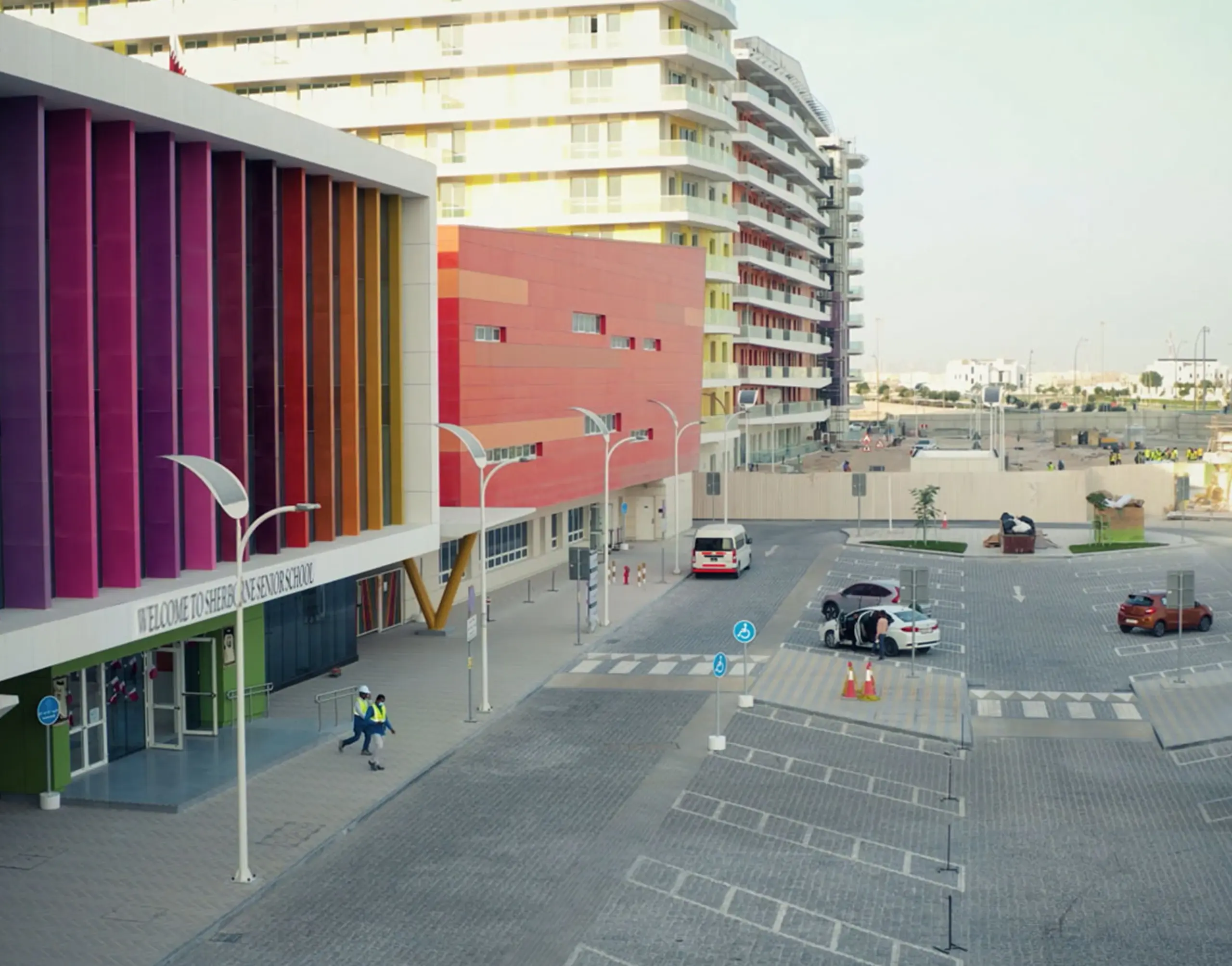
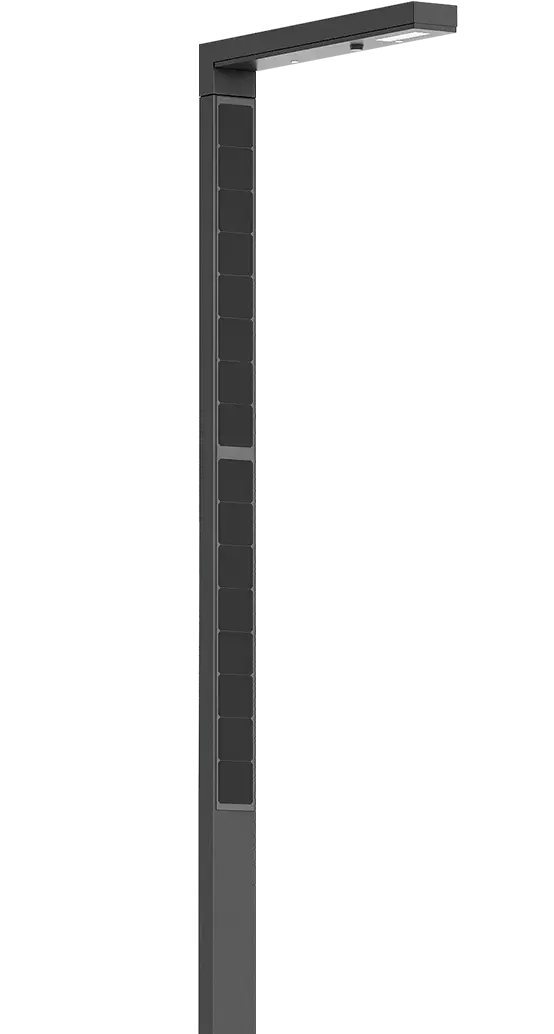
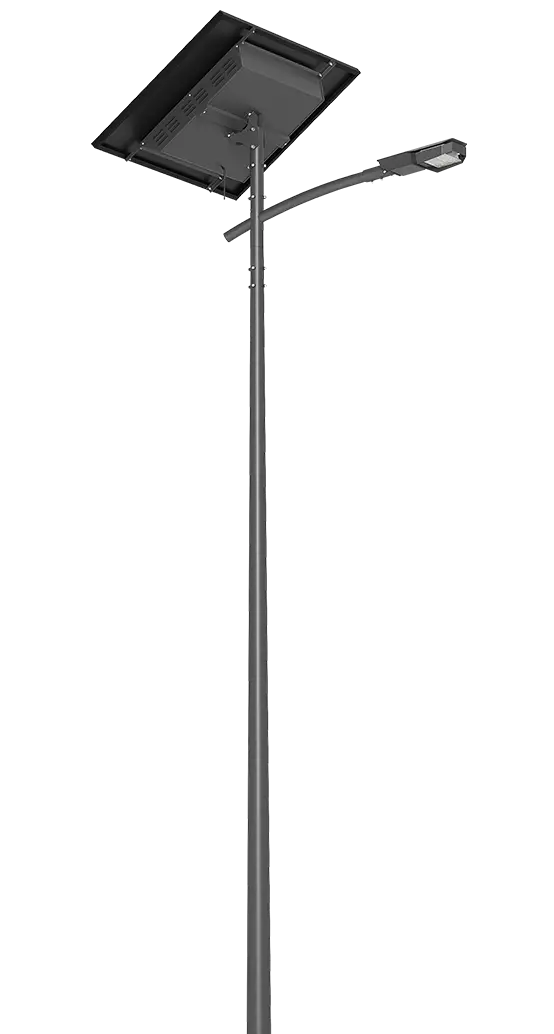
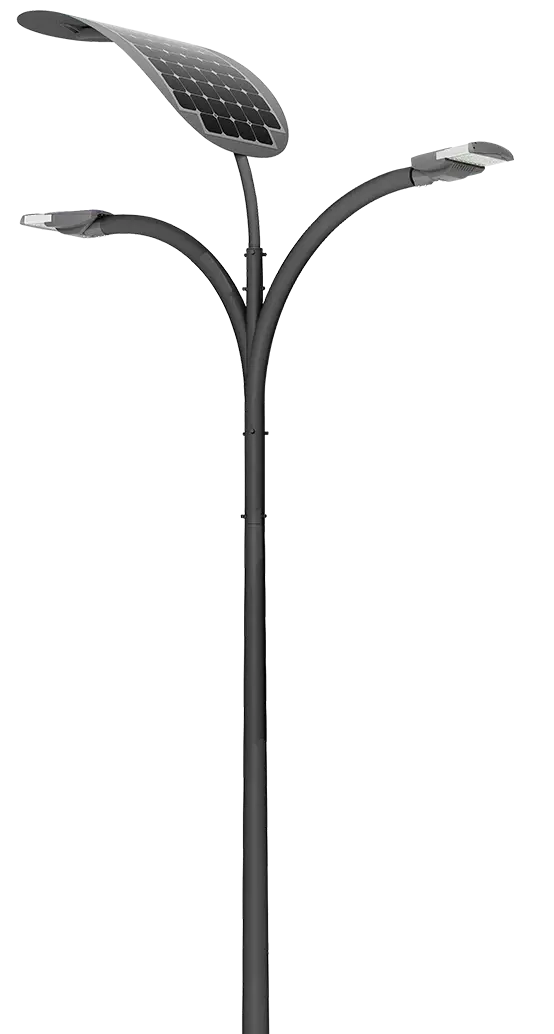
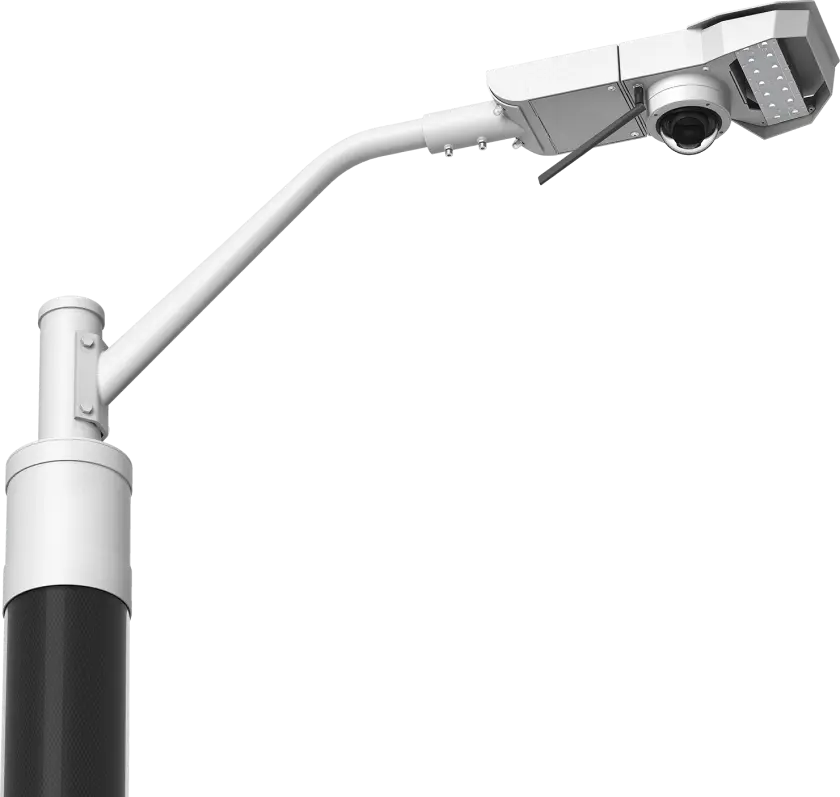
Figure 1: Off-grid smart solar lighting pole deployed along educational institution pathways, offering zero-disruption installation and continuous night security.
Core Engineering Requirements: What Campus Facility Directors Must Demand
When specifying solar lighting systems for educational environments, procurement committees must look beyond consumer-grade or standard residential solar units. Educational campuses demand commercial-grade architectural solutions designed to withstand high pedestrian volume, environmental weathering, and continuous winter operation. Below are the key engineering pillars required for long-term operational success:
- Adaptive Power Management & Autonomy: Campus security cannot compromise during periods of prolonged cloud cover or winter storms. Systems must offer a minimum of 4 to 7 days of continuous operational autonomy utilizing intelligent Maximum Power Point Tracking (MPPT) solar charge controllers.
- Pedestrian Safety & Optical Distribution: Light distribution must conform to IESNA RP-8 guidelines for campus walkways, parking structures, and outdoor dorm areas, providing uniform lumen dispersal (Type II / Type III optics) without blinding glare or excessive light pollution.
- Dark-Sky International (IDA) Compliance: Educational institutions increasingly prioritize preserving night skies and mitigating light trespass into surrounding residential neighborhoods or university observatories. Luminaires must feature zero uplight (U0 rating) and warm Color Rendering Index (CCT 3000K-4000K).
- Vandal Resistance & Structural Integrity: Campus fixtures are vulnerable to impact and extreme weather. Hardware must maintain IP66/IP67 ingress protection ratings, IK10 mechanical impact resistance, and AASHTO wind-load ratings capable of enduring hurricane-force winds up to 150 MPH.