
Solar Lighting Blog & News
Latest news, technical guides, and expert perspectives on smart solar street lights, off-grid infrastructure, and clean energy technology.
Featured Industrial Solar Stadium Lighting Products
Engineering-grade high mast luminaires, mobile solar towers, smart energy storage kits, and structural PV carports designed for FIFA-level arenas, municipal sports complexes, and commercial logistics hubs.
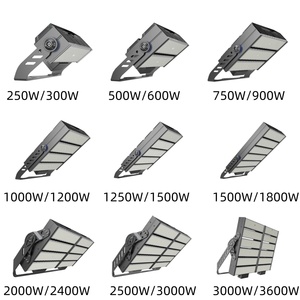
1000w High Mast Light Luces De Estadios 500W 600W 900w 1200w 1500w 3000w Sport Tennis Court Field Arena Stadium Led Flood Light
Inquire Now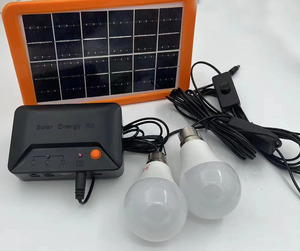
Small Solar Power Station Generator Lighting System Kit IP65 Rechargeable LED Emergency Light for Camping Fishing
Inquire Now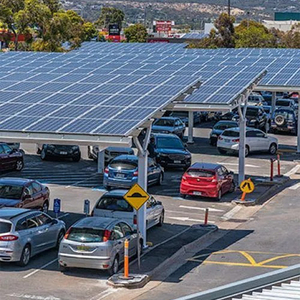
Factory Direct Solar Project Strong Steel Frame PV Parking Canopy Commercial Solar Carport Steel Structure Components
Inquire Now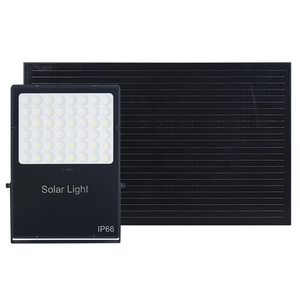
XIUBEN High Brightness Outdoor Garden Stadium LiFePO4 Battery Led Solar Flood Lamp Waterproof
Inquire Now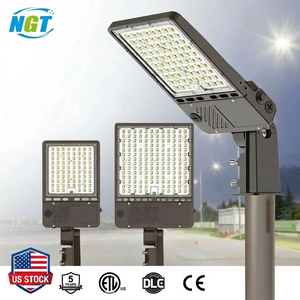
US Waerhouse LED Outdoor Public Area Lighting 360W 200W 150W IP65 Stadium Road Parking Lot Shoebox Street Flood Lights
Inquire Now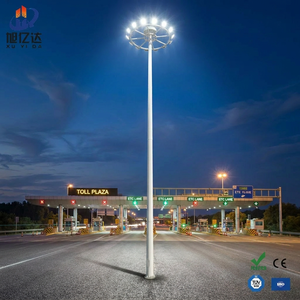
Factory Customized IP66 Hot Dip Galvanized High Mast Light Pole with Lifting System 400-2000W LED Flood Lamp 5-Year Warranty
Inquire Now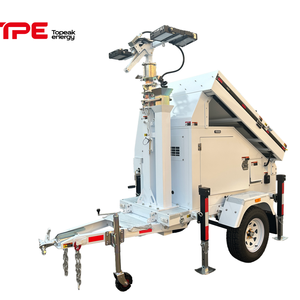
7m Mast Solar Lighting Tower 3*490W Panels 24/7 Operation Ready For Mast Public Lighting Projects
Inquire Now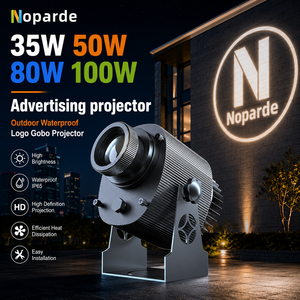
35W 50W 80W 100W Outdoor Waterproof Logo Gobo Projector for LED Advertising Christmas Decorations Illuminated Sign Album Maker
Inquire NowExecutive Summary & Industry Baseline
The global transition toward carbon-neutral infrastructure has shifted large-scale athletic facility engineering away from high-voltage grid connections. Modern sports field illumination requires exceptional lumen density, strict spill-light controls, low unified glare rating (UGR < 19), high color rendering index (CRI > 80, TLCI > 85 for 4K/8K HDTV broadcasting), and absolute power resilience. Top-tier solar stadium lighting factory exporters now design integrated off-grid energy nodes that combine mono-Si photovoltaic arrays, Lithium Iron Phosphate (LiFePO4) storage, and Maximum Power Point Tracking (MPPT) dimming architectures.
Photometric Engineering & Illumination Standards
Sourcing solar lighting systems for athletic facilities involves adhering to international sports federation standards (such as FIFA, ITF, FIBA, and IESNA RP-6-15). Lighting requirements vary depending on whether the venue is used for amateur practice (Class III) or televised international competitions (Class I).
| Application Class | Target Horizontal Illuminance (Eav) | Uniformity Ratio (U1 = Emin/Eav) | Max Glare Index (GR) | Color Rendering Index (CRI) |
|---|---|---|---|---|
| Class I (International Broadcast) | > 1500 Lux | ≥ 0.70 | ≤ 45 | Ra ≥ 90 / TLCI ≥ 85 |
| Class II (Regional Competition) | 500 – 750 Lux | ≥ 0.60 | ≤ 50 | Ra ≥ 80 |
| Class III (Recreational / Training) | 200 – 300 Lux | ≥ 0.50 | ≤ 55 | Ra ≥ 70 |
Asymmetric Optical Lenses
High-mast stadium solar lights utilize custom narrow-to-medium beam asymmetric optical lenses (15°, 30°, 45°, 60°). This concentrates lumens onto the field while completely avoiding light pollution, sky glow, and off-site spill light into adjacent residential areas.
Thermal Dissipation Dynamics
High-wattage LED engines generate significant thermal heat. Premier manufacturers use 6063-T5 extruded aluminum fin heat sinks with phase-change heat pipes. Keeping junction temperatures below 65°C ensures an LED lumen maintenance rating of L70 at 100,000 hours.
Solar Power Harvesting & LiFePO4 Battery Integration
Operating a high-power stadium system requires advanced energy storage and solar charging conversion efficiency. Conventional lead-acid or gel batteries are obsolete due to low depth-of-discharge (DoD) and short cycle lives. Modern industrial stadium solar setups rely on modular LiFePO4 battery banks.
LiFePO4 Electrochemical Dominance
- Cycle Life: 4,000+ deep cycles at 80% DoD (10+ years operational life).
- Thermal Stability: Safe operation up to 65°C without risk of thermal runaway.
- Volumetric Efficiency: High energy density allows installation inside high-mast poles or sub-grade vaults.
Smart MPPT & Dual-Bus Drivers
- MPPT Efficiency: Integrated controllers achieve > 99% tracking efficiency under variable irradiance.
- Adaptive Autonomy: Dynamic dimming profiles adjust brightness based on real-time battery State of Charge (SoC).
- BMS Telemetry: RS485 / CAN-bus communication allows remote monitoring of voltage, cell balance, and temperature.
Structural Engineering & High Mast Poles
Mounting heavy solar arrays (such as 3x490W mono panels) and 1000W high-mast luminaires at heights of 12m to 35m requires strict structural aerodynamic verification. Wind loads at elevated height can induce extreme mechanical torque on base flanges and mounting arms.
Crucial Manufacturing Standards:
- Wind Resistance Certification: Structural poles must be simulated via Finite Element Analysis (FEA) to withstand gust velocities of up to 60 m/s (160 mph / Category 4-5 hurricanes).
- Hot-Dip Galvanization (HDG): In accordance with ASTM A123 / ISO 1461 standards, poles undergo internal and external galvanization with a zinc coating thickness ≥ 86 μm, guaranteeing 25+ years of anti-corrosion protection in harsh coastal environment.
- Motorized Winch & Lifting System: For masts exceeding 18m, heavy-duty internal motorized lowering gear allows ground-level maintenance without requiring costly bucket trucks or crane rentals.
Future Procurement & Sourcing Trends (2025–2030)
The global enterprise procurement landscape for outdoor sports and municipal lighting is rapidly evolving. When evaluating top stadium solar lighting manufacturers and exporters, B2B procurement officers and engineering consultants prioritize four key technological trends:
1. Smart City IoT Mesh Nodes
Solar high mast structures are morphing into smart urban infrastructure. Poles are increasingly equipped with 4G/5G micro base stations, environmental IoT sensors, Wi-Fi 6 access points, and automated security cameras powered directly by excess solar energy reserve.
2. Dual-Purpose PV Carports
Modern stadium installations utilize commercial solar carports in adjacent parking lots to form a localized micro-grid. This hybrid architecture powers venue floodlights at night while providing EV charging points for spectators during daylight hours.
3. Hybrid Grid-Solar Switching
For major municipal sports complexes, hybrid grid-tied solar systems provide 100% solar power under normal conditions while retaining a utility-grid failover switch for extended overcast weather during high-profile tournaments.
4. Rapid-Deploy Mobile Towers
Mobile solar light towers featuring heavy-duty telescopic masts and high-output solar arrays have become standard for temporary outdoor arenas, sports broadcasting setups, emergency fields, and remote construction zones.
Supplier Audit & Evaluation Framework
Selecting a reliable solar stadium lighting manufacturer requires rigorous verification of factory credentials, technical testing reports, and quality management protocols. Below is a recommended checklist for B2B buyers:
| Evaluation Criteria | Minimum Acceptable Parameter | Verification Document / Test Report |
|---|---|---|
| Photometric Verification | Validated IES LM-79 & LM-80 test reports | Third-Party Lab (SGS, TÜV, Intertek) |
| Ingress Protection | IP66 / IP67 enclosure rating for optical & gear compartments | IEC 60529 Test Certificate |
| Impact Resistance | IK09 or IK10 tempered glass & structural housing | IEC 62262 Test Report |
| Corrosion Resistance | 1000-hour Salt Spray Test without surface rust | ASTM B117 Standard Test |
| Battery Safety | UN38.3, MSDS, IEC 62619 safety certification | Battery Cell Safety Compliance Report |
| Quality Management | ISO9001:2015, ISO14001, OHSAS18001 audit | Factory Inspection Certificate |
Frequently Asked Questions (FAQ)
Yes. High-efficacy LEDs (up to 180 lm/W) combined with high-capacity LiFePO4 batteries and mono-Si solar arrays deliver identical light output (lux levels) and uniformity compared to traditional metal-halide or grid-powered LED systems. They eliminate expensive trenching, cable laying, transformer installations, and ongoing electricity bills.
A standard soccer field (105m x 68m) typically uses a 4-pole or 6-pole layout. For recreational practice (Class III - 200 Lux), four 15m to 20m high-mast poles equipped with 600W–1000W LED fixtures per pole are sufficient. Professional televised fields (Class I - 1500+ Lux) require 25m to 35m poles with custom asymmetric precision optics to meet strict spill-light and uniformity requirements.
Commercial solar stadium lighting systems are designed with 3 to 7 days of system autonomy. Intelligent MPPT controllers dynamically adjust output profiles according to battery SoC reserves. Additionally, hybrid AC/DC solar controllers can seamlessly pull grid power if battery levels drop below a critical threshold during consecutive cloudy days.
Photovoltaic panels have a performance warranty of 25 years (80% power output retention). Hot-dip galvanized steel poles last over 25 years without corrosion. LiFePO4 batteries feature a lifespan of 8 to 12 years (4000+ cycles), while LED luminaires and MPPT controllers carry a 5-year to 10-year factory warranty depending on system configuration.
High-mast poles exceeding 18 meters incorporate internal motorized winch assembly mechanisms. The entire lighting crown frame carrying luminaires and junction boxes can be safely lowered to ground level at the touch of a remote control button, eliminating the need for expensive aerial platforms during routine lens cleaning or inspection.
Accelerate Your Green Stadium Infrastructure Project
Need custom DIALux photometric simulations, detailed engineering schematics, factory direct pricing, or complete OEM/ODM tender support? Our senior solar lighting engineers are ready to assist.
Inquire Now