
Solar Lighting Blog & News
Latest news, technical guides, and expert perspectives on smart solar street lights, off-grid infrastructure, and clean energy technology.
Engineered Solar Bus Shelter & Stop Solutions
Explore our flagship OEM/ODM manufactured solar public transit lighting structures, optimized for urban illumination, digital passenger information systems, and off-grid reliability.
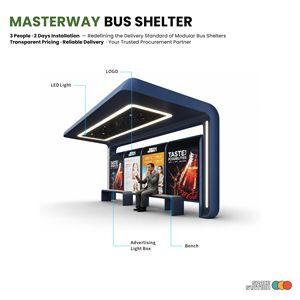
Smart City Bus Shelter with Solar Charging and USB Port Featuring Advertising Light Boxes
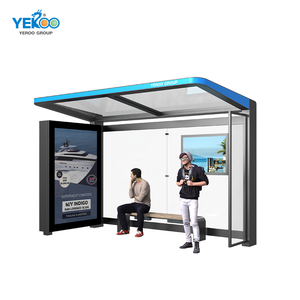
Steel Modern Multi-Functional Smart Bus Shelter with Digital Light Box Advertising Solar Powered LED Lighting
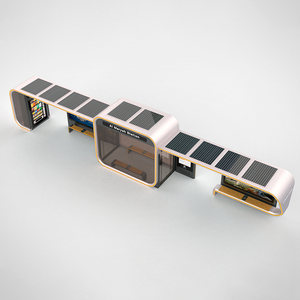
Solar Powered Bus Stop with Integrated Lightbox and Warm Room Thermal Enclosure
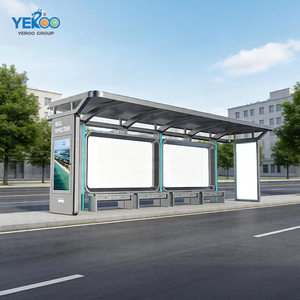
High Brightness Color Smart Bus Stop Shelter with Aluminum Frame Solar Charging Weatherproof System
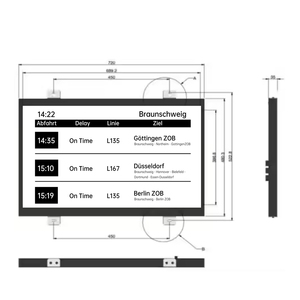
Outdoor EC 31.2" Electronic Bus-stop Sign with Electronic Paper Display and Solar Panel Light System
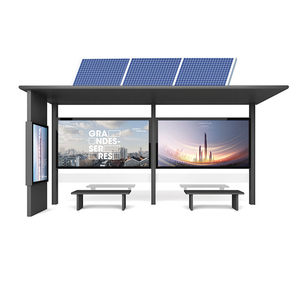
Outdoor Advertising Metal Solar Bus Stop Shelter With LED Passenger Information Display
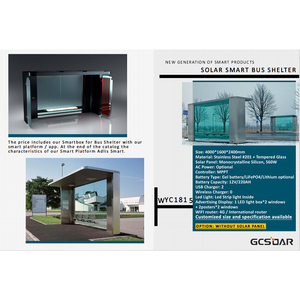
Solar Powered Smart Bus Stop With Real Time Arrival Display, Phone Charging Stations And LED Lighting
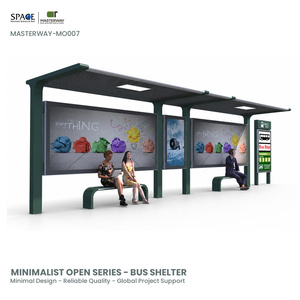
Customized Design Smart Bus Stop Station Solar Light Bus Shelter with Ergonomic Integrated Bench
Engineering Blueprint of Municipal Solar Bus Stop Lighting Systems
As municipal transportation authorities transition toward zero-emission urban infrastructure, solar-powered bus shelters and bus stop lighting systems have evolved from simple luminaire attachments to sophisticated, grid-independent micro-energy stations. Designing an industrial-grade solar bus shelter requires solving critical engineering bottlenecks: extreme weather resilience, uninterrupted power supply during extended overcast periods (autonomy), vandalism resistance (IK10), and high-efficiency optical distribution.
Subsystem Architecture Breakdown
A reliable municipal solar bus lighting system is composed of four integrated technical tiers:
| System Module | Technical Specification Standard | Municipal Engineering Impact |
|---|---|---|
| Photovoltaic Array | Monocrystalline PERC / N-Type TOPCon (180W - 450W peak), Anti-Reflective Tempered Glass | Ensures energy harvesting even under low-diffuse sunlight and partial shading conditions. |
| Battery Energy Storage (BESS) | Grade-A LiFePO4 (Lithium Iron Phosphate), 6000+ Cycles at 80% DoD, Smart BMS with Thermal Cutoff | Provides 7 to 14 days of continuous illumination autonomy with zero maintenance over a 10-year lifespan. |
| Lighting Optics (Luminaire) | High-Efficacy LEDs (Up to 190 lm/W), Asymmetric Type II / Type III Batwing Lens, CRI > 80 | Eliminates glare for approaching bus drivers while maintaining uniforms >0.4 lux distribution inside shelters. |
| Smart Telemetry & IoT | 4G LTE / NB-IoT Gateway, PIR Motion Sensing, Auto Dimming, Remote Dynamic Health Monitoring | Reduces light pollution, conserves battery energy, and notifies municipal operators of component failure in real-time. |
Future Procurement Trends in Smart Urban Transit Infrastructure (2025–2035)
Procurement directors and urban planners are shift-focusing from simple capital expenditure (CapEx) calculations to total cost of ownership (TCO) and multi-functional asset monetization. The future of solar bus stop lighting procurement is governed by key technological shifts:
1. Ultra-Low Power E-Paper Displays (EPD)
Integration of 31.2-inch outdoor E-Ink display signs powered purely by low-wattage solar modules. Unlike power-hungry LCDs, EPD displays consume energy only during pixel refresh, rendering real-time arrival schedules visible under direct sunlight.
2. Auxiliary Public USB & Qi Wireless Charging
Passengers expect connected amenities. Modern specifications demand integrated multi-port fast USB (Type-C PD) and solar energy buffer reserves dedicated to passenger device emergency charging without compromising main illumination.
3. BIPV Structural Integration
Transitioning from awkwardly mounted top panels to Building Integrated Photovoltaics (BIPV). Curved, frameless, and structural glass PV modules form the roof canopy itself, drastically improving aesthetic integration and wind loading resistance.
Global Product Development Trends in Public Transit Illumination
Technological evolution in smart lighting solutions is reshaping how civil engineers specify public shelter products. Key market-driving developments include:
AI-Driven Predictive Dimming
Modern controllers utilize machine learning algorithm models that evaluate historical weather forecasts and foot-traffic patterns, automatically tuning LED driver current to guarantee 100% night coverage throughout severe winter periods.
Modular "Plug-and-Play" Architecture
OEM designs now focus on rapid field serviceability. Waterproof quick-connect harness cabling (IP68) allows field technicians to swap batteries, controllers, or LED engines in under 10 minutes without structural disassembly.
Dark-Sky Compliant Optics
Global light pollution standards (IDA Dark-Sky compliance) require 0% upward light output (U0). Modern engineered optical lenses restrict backlight spill, directing 100% of generated lumens into passenger seating and bus boarding zones.
Enterprise OEM/ODM Manufacturing Capabilities & Strategic Advantages
As a premier global exporter and original equipment/design manufacturer, we deliver end-to-end engineered solar transit structures configured to strict local municipal building codes and international electrical standards. Our manufacturing framework provides distinct competitive edges:
Bespoke Structural Engineering (CAD/3D & FEA)
We run Finite Element Analysis (FEA) simulations on every shelter frame design to guarantee wind resistance against up to Category 5 hurricanes (wind loads up to 60 m/s or 150 mph) and heavy snow loads (up to 1.5 kN/m²).
Comprehensive Quality Management (ISO 9001/14001)
Every solar charge controller and LiFePO4 battery pack undergoes rigorous thermal chamber testing (-30°C to +70°C), salt spray corrosion testing (1000+ hours ASTM B117), and full photoelectric sphere calibration before dispatch.
Global Export & Turnkey Supply Chain
With deep experience serving North American, European, Middle Eastern, and Asian municipal contractors, we handle SKD/CKD shipping packaging, customs documentation, CE, RoHS, UL, and IK10 certification compliance.
Frequently Asked Questions (FAQ) for Municipal Buyers & Bidders
Partner with a Leading Solar Bus Stop Manufacturer
Contact our engineering leadership team today to request detailed product spec sheets, photometric submittals, or custom OEM/ODM pricing for your upcoming public transit tender.