
Solar Lighting Blog & News
Latest news, technical guides, and expert perspectives on smart solar street lights, off-grid infrastructure, and clean energy technology.
Featured Commercial Solar Street Lights
Factory-direct OEM/ODM solar outdoor fixtures engineered with A-grade monocrystalline PV modules, LiFePO4 battery storage, and intelligent MPPT controllers.
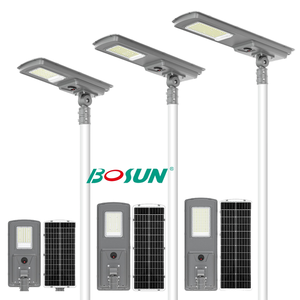
Dusk to Dawn All in One Solar Street Light Outdoor Waterproof
High-lumen integrated aluminum alloy casing, intelligent microwave radar sensing, IP67 waterproof rating, and automated dusk-to-dawn energy management.
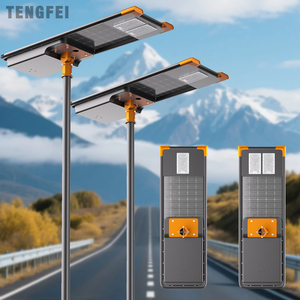
Hot Selling Low-energy Split Solar Street Light Outdoor Led Street Lighting Lamp
Modular split-type configuration optimizing solar panel tilt angle, heavy-duty heat dissipation housing, and customizable optical beam angles for arterial roads.
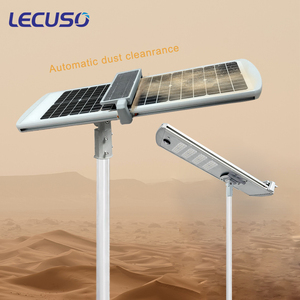
High Quality 30w-150w Automatic Auto Clean Self Cleaning Solar Street Light
Patented robotic cleaning brush system ideal for desert sand and high-dust industrial zones, preserving PV panel conversion efficiency by up to 98% continuously.
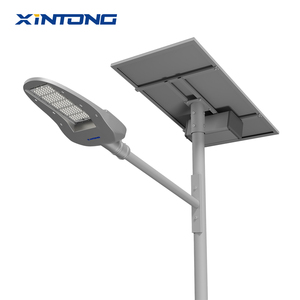
Road Light 60W 80W 100W 120W 150W Solar Street Lamp Split Solar Street Light
Engineered for highways and municipal boulevards featuring Type II/III optical distributions, high CRI LED chips, and multi-day battery autonomy.
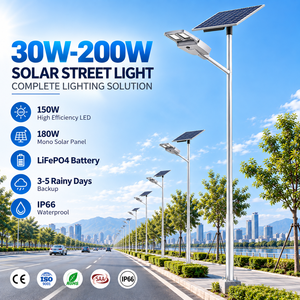
All In Two Lamp Led Solar Powered Street Light IP66 80W 100W 150W with Battery Backup
Versatile design housing battery within lamp body or upper bracket, die-cast aluminum heat management, and customizable wattage profiles.
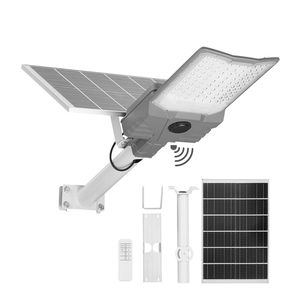
12000W High-Powered Solar Street Light 900,000LM Outdoor Floodlight 6500K
Industrial-scale floodlighting solution for ports, logistic yards, sports centers, and large-scale mining facilities demanding extreme lumen output.
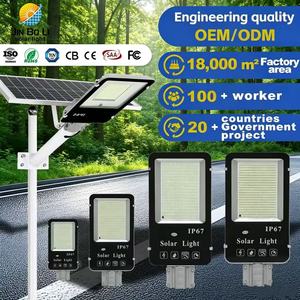
Remote Control IP67 Solar LED Light 50W-300W Split Type Outdoor Street Lamp
Wireless remote dimming control, robust weatherproofing, multi-working mode settings, and high-safety LiFePO4 power storage cells.

Competitive Price Commercial Split / All in One Solar Street Light Manufacturing
Cost-optimized commercial solar light series tailored for international EPC tender bids, offering high reliability and rapid OEM customization.
State of Commercial Solar Lighting Engineering & OEM Sourcing
As municipal entities, commercial real estate developers, and civil engineering infrastructure contractors globally transition toward net-zero decarbonization goals, off-grid commercial solar lighting has evolved from an alternative lighting choice into a primary infrastructure imperative. Commercial-grade solar lighting systems eliminate extensive utility trenching, copper wiring theft risk, and ongoing electricity overhead, presenting a compelling total-cost-of-ownership (TCO) advantage over traditional AC-grid networks.
However, successfully executing commercial solar lighting projects requires rigorous OEM technical customization. A standard off-the-shelf solar fixture designed for residential illumination will inevitably fail when deployed on high-speed expressways, remote security perimeters, or coastal high-salinity zones. Engineering custom commercial solar street lighting solutions requires deep domain expertise in photometric light distribution (DIALux simulation), solar insolation autonomy modeling, thermal dissipation management, and specialized battery chemistry integration.
Custom OEM System Topologies: All-In-One vs. Split Systems vs. Smart Poles
When specifying commercial solar lighting fixtures for OEM manufacturing and international export tenders, project engineers must select the optimal hardware topology based on site-specific environmental conditions and lighting standards:
- Integrated All-In-One (AIO) Systems: Consolidating the PV panel, LiFePO4 battery, MPPT controller, and LED optical engine into a single compact housing. AIO systems minimize wind resistance, drastically reduce installation labor cost, and offer sleek industrial profiles suited for urban parks, parking facilities, and residential access roads.
- Modular Split Solar Systems: Separating the photovoltaic module from the LED luminaire head allows independent orientation of the solar panel toward true south (or north in Southern Hemisphere) at optimized tilt angles. Split topology is indispensable for high-latitude regions, heavy shade environments, or high-wattage arterial highway illumination (100W–300W LED).
- Vertical Cylindrical Solar Poles (Smart Convergent Poles): Utilizing flexible, wrapped vertical solar modules surrounding the structural light pole. This modern design eliminates dust accumulation, withstands severe hurricane-force wind loads, and integrates IoT smart city gateways (5G micro-cells, security CCTV cameras, environmental monitoring sensors).
Photometric Customization & Optical Precision
Uniformity ratio and glare control are critical metrics in municipal outdoor lighting compliance (e.g., IESNA RP-8 or EN13201 standards). Custom OEM suppliers utilize specialized PMMA optical lenses featuring Asymmetric Type II, Type III, and Type IV batwing light distribution patterns. By focusing light precisely onto roadway pavements and pedestrian lanes while restricting upward sky glow (Dark Sky compliance), engineered optical systems maximize visual comfort and reduce unnecessary battery consumption.
Future Procurement Trends in Commercial Solar Lighting
Analyzing the technological shifts and procurement standards shaping the next decade of municipal and industrial off-grid infrastructure.
1. Levelized Cost of Light (LCOL) Focus
Procurement officers are transitioning from evaluating initial capital expenditure (CAPEX) to evaluating Levelized Cost of Light (LCOL). OEM suppliers offering high-cycle LiFePO4 batteries (>4000 cycles @ 80% DoD) and self-cleaning solar panels win long-term infrastructure tenders by lowering lifetime operational expenses.
2. AI-Driven Adaptive Dimming & MPPT
Next-generation solar controllers incorporate machine learning algorithms to dynamically adjust dimming curves based on real-time weather forecasting data, historical solar harvesting trends, and motion sensor activity, guaranteeing zero dark nights under extreme weather.
3. Vertical Wrap Solar Module Adoption
Vertical cylindrical solar wraps mounted directly onto lighting poles are rapidly replacing traditional flat panels in high-end architectural developments and hurricane-prone coastal zones due to zero dust retention, 360-degree solar exposure, and clean aesthetic lines.
4. IoT Smart City & LoRaWAN Connectivity
Commercial solar light procurement mandates remote central management software (CMS). Through LoRaWAN, Zigbee, or 4G/5G networks, operators monitor battery state-of-charge, operational temperature, light performance, and fault alerts in real-time from cloud platforms.
5. Sodium-Ion & Solid-State Storage Shift
To resolve extreme cold temperature charging degradation (-30°C to -40°C in Nordic/North American winters), OEM exporters are integrating sodium-ion energy storage cells, providing superior thermal stability and sustainable material sourcing.
6. Circularity & Recyclability Compliance
International tender guidelines (EU RoHS, CE, WEEE) increasingly evaluate material circularity. Leading OEM manufacturers design modular luminaires with easy-to-disassemble aluminum die-cast housings, non-toxic batteries, and recyclable optical lenses.
Technology & Product Development Trends
Breakthrough developments in photovoltaic conversion efficiency, thermal management, and optical light control.
TOPCon & Perovskite Solar Cells
Transitioning from standard Mono-PERC (21% efficiency) to N-type TOPCon and Perovskite-Silicon tandem solar cells achieving over 24.5%+ cell efficiency, maximizing energy generation per square meter of surface area.
Dual-MPPT Smart Tracking Controllers
Advanced dual-channel MPPT micro-controllers offering up to 99.5% tracking efficiency, featuring multi-stage intelligent charging protocols to protect battery chemistry against overcharge and deep discharge.
Thermal Dissipation & Graphene Coatings
Integrated 6063 extruded aluminum heatsinks coated with thermal conductive graphene films rapidly lower junction temperatures of high-power LED chips, extending luminaire operational lifespan beyond 100,000 hours (L80B10).
Commercial Solar Lighting Procurement FAQ
Detailed technical answers to standard B2B procurement, civil engineering, and municipal sourcing inquiries.
Ready to Engineer Your Custom Commercial Solar Project?
Contact our senior technical engineering team today for DIALux lighting layouts, custom OEM specifications, factory-direct pricing, and comprehensive tender submission support.