Solar Lighting Blog & News
Latest news, technical guides, and expert perspectives on smart solar street lights, off-grid infrastructure, and clean energy technology.
Choosing the right City Park Solar Light from China requires more than comparing prices and brightness. A reliable decision begins with the park itself. Note walking paths, tree cover, soil conditions, winter temperatures, and evening activity. A shaded path may need a larger panel or a different installation position. A busy entrance may require stronger illumination and wider light distribution. Small details matter.
Experienced buyers should request photometric data, battery capacity, panel ratings, and tested operating hours. Check the proposed light against local electrical, construction, and lighting requirements. Ask whether the supplier has completed similar park projects. Clear product records, factory audits, samples, and traceable quality checks provide stronger evidence than attractive product photos. Review the enclosure rating, corrosion resistance, pole material, controller protection, and battery replacement process. These details affect safety, maintenance, and long-term value.
A sample installation can reveal problems early. Watch the light after cloudy days, inspect uneven brightness, and measure the illuminated path at night. No checklist is perfect. Supplier claims may also need independent verification. One useful question is often missed: who supports the product after installation? A dependable manufacturer should explain warranty terms, spare parts, software settings, and response times. This guide will help buyers compare technical performance, supplier credibility, total cost, and practical suitability before selecting a City Park Solar Light for a durable public-space project. Expect trade-offs. The cheapest option may not be the most economical one.
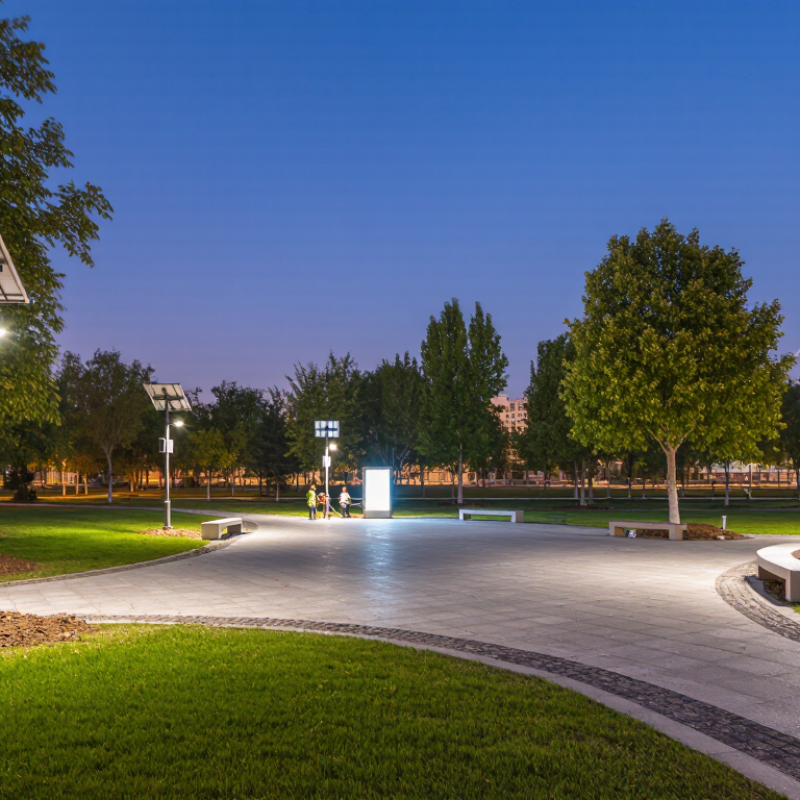
Define City Park Solar Lighting Needs and Site Conditions
How to Choose the Best City Park Solar Light from China?
Defining the lighting need starts with walking the park after sunset. Record path width, pedestrian flow, nearby homes, entrances, benches, and emergency areas. A narrow walkway may need gentle, uniform light rather than maximum brightness. Ask who uses the space, and when. Families, joggers, and maintenance crews create different lighting patterns. Keep glare away from homes and drivers. Dark corners still matter.
Site conditions decide whether a solar system performs reliably. Check tree shadows during different seasons, not only on installation day. Note the panel direction, roof or pole obstructions, soil stability, drainage, wind exposure, and flood risk. Measure winter sunlight where possible. Cloudy periods require realistic battery autonomy, not optimistic estimates. The local climate matters greatly.
From field surveys, I have learned that a bright demonstration unit can mislead buyers. It may perform well in an open yard but fail beneath mature trees. Request photometric files, battery temperature data, charging tests, and protection ratings. Confirm that electrical certifications suit the installation country. Consider pole height, spacing, color temperature, maintenance access, and wildlife near the park. Keep controls adjustable for seasonal schedules. Test one small zone before expanding. It is easy to overlight a park. That wastes energy and can reduce comfort. One detail is often missed: cleaners need safe visibility before sunrise.
FAQS
Choose a housing that resists rain, dust, heat, and repeated temperature changes. Die-cast aluminum offers strength and heat control. Stainless steel fasteners help limit coastal rust. Check the IP rating, coating thickness, and glass impact resistance. Appearance can mislead.
Match capacity with sunlight, seasons, and required operating hours. Compare voltage, watt-hours, discharge limits, and cold-weather performance. Do not rely on amp-hours alone. Several cloudy days may reduce output. Request real test data.
Not automatically. Ask for test results covering cloudy nights and reduced battery levels. Inspect a production sample before ordering. One bright evening proves little. My initial estimate could still be wrong.
Review maintained lumens, beam angle, pole spacing, and mounting height. A wide path needs controlled optics. An open lawn may need broader distribution. Bright light can still leave dark gaps.
Request factory audit records, incoming inspection procedures, and assembly videos. Verify panel output, battery chemistry, controller efficiency, and LED heat management. Let one sample operate for several nights. Include cloudy weather.
Request complete testing reports, not certificate logos. Check the report number, laboratory, model number, and issue date. Confirm the documents match the actual product configuration. Similar-model certificates are insufficient.
Discuss pole height, spacing, target illumination, color temperature, beam angle, and dimming schedules. Consider tree shade, vandalism, weather, and maintenance access. Require CAD drawings, a pre-production sample, and written acceptance criteria. Recheck designs after a site survey.
Separate panel, battery, pole, controller, freight, installation, foundation, and spare-part costs. Local labor may change the estimate significantly. A cheap quotation can hide weak batteries or expensive foundations. My spreadsheet would remain imperfect without local rates.
Obtain written warranty terms, battery replacement procedures, cycle data, and fault records. Confirm replacement batteries and controllers remain available for several years. Keep one sample outside through rain and cloudy days. That test feels slow. It may prevent an expensive lesson.
Conclusion
Choosing the best City Park Solar Light from China starts with a clear understanding of the park’s size, layout, pedestrian traffic, safety requirements, sunlight exposure, and local weather conditions. These factors help determine the suitable lighting type, brightness, color temperature, installation height, and control features. Comparing integrated, split, and smart solar lights can also clarify which design offers the best balance of performance, reliability, and ease of use.
Buyers should carefully evaluate the panel, battery capacity, LED efficiency, waterproof construction, corrosion resistance, and expected service life. It is equally important to review a Chinese manufacturer’s production standards, testing records, certifications, quality control procedures, and ability to provide customized designs. Finally, compare the total cost, including transportation, installation, maintenance, replacement parts, and technical support. A dependable supplier should offer clear specifications, practical warranties, responsive communication, and long-term assistance to ensure safe, efficient, and sustainable park lighting.